Showing posts with label Follow Friday. Show all posts

Friday, February 5, 2016

In the News: Mammoth for Dinner?

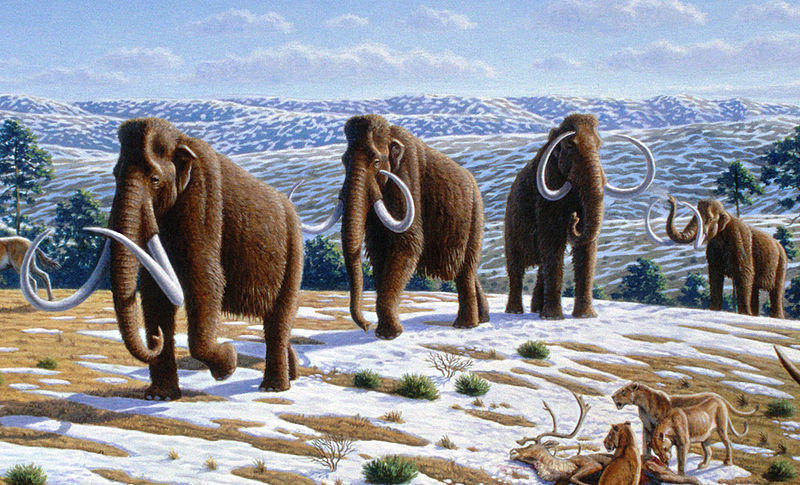
Fig.1. Woolly mammoths (Mammuthus primigenius) in late Pleistocene landscape
(
Credit: Mauricio Antón, 2004)

From ices cores to mammoth meat, this week is full of curiosities frozen in time. A return to these specimens reveals an important software error, a lesson in evolution, an answer to a decades-old question, and more:

Friday, January 29, 2016

In the News: The Blue Rose

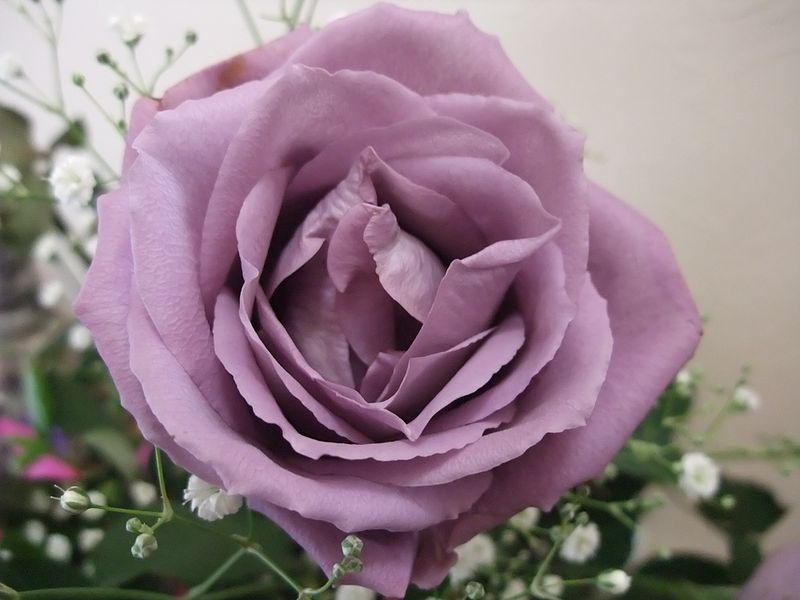
Fig.1. The Suntry "blue" rose is at the center of a shift in plant engineering
(Credit: BlueRoseMan, 2011)

From laser technology to DNA barcoding, the modern study of plants involves increasingly unique approaches to examining preserved specimens. This week in the news, we remember the history of herbaria, grow miniature vegetables, and start a home-grown plant engineering movement that seeks to shake up genetics!

Friday, January 22, 2016

In the News: Microbes and the Moon

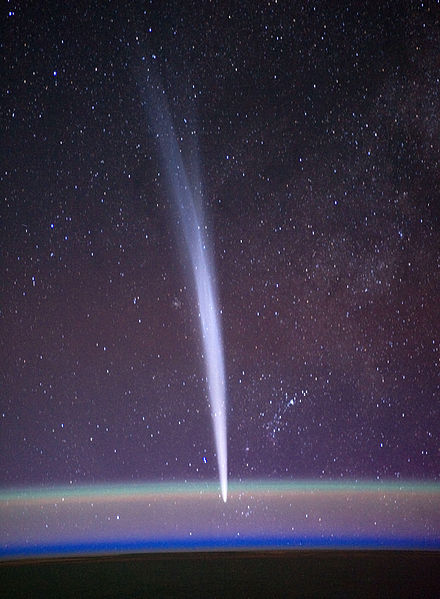
Fig.1. Comet Lovejoy visible near Earth’s horizon
(Credit: NASA/Dan Burbank, 2011)

From microscopic organisms to lunar rocks, these collections offer a rare view of our solar system. In the news this week are visits with curators who collect comet dust, find new species, protect banana crops, and more!

Friday, January 15, 2016

In the News: What We Leave Behind

Fig.1. Colosseum in Rome, Italy
(
Credit: David Iliff, 2007. License: CC-BY-SA 3.0)

Although Ötzi the Iceman offers scientists an unprecedented view of early European life, such direct physical evidence is not always available. This week, researchers used parasites to track Romans, mammoth bones to study Arctic dwellers, and more to overturn previously held assumptions about the ancient world.

Friday, December 18, 2015

In the News: In A Galaxy Not So Far Away


Are you dreaming of a galaxy far, far away? These articles will bring you back to our solar system and our moon - not the Death Star - with news on digitizing the Apollo 11 Command Module, outer space amino acids, extreme underground microbes, and more:

Friday, December 11, 2015

In the News: Moby-Dick and the Future Seas


As the climate talks in Paris come to a close - and as we wrap up GIF week with Deep Sea News - we learn more about ancient and recent marine collections that might save our warming seas. This week, we read about a miniature "Moby-Dick" from ancient times, the future of the Mediterranean, citizen science efforts, and more:

Friday, December 4, 2015

In the News: Mammoths and Men

Fig.1. Mammoth skeleton at the George C. Page Museum
(Credit: Russ via Flickr, 2014)

Artifacts, sediment cores, and mammoth bones all connect us to ancient history, either through culture or the natural world. This week in the news, we read about how to examine the past using old collections in new ways:

Friday, November 27, 2015

In the News: Return to the Wild Crops

Fig.1. Wild turkeys in Oklahoma (Credit: Larry Smith via Flickr, 2015)

For this Thanksgiving, researchers are turning to wild animal and crop relatives to improve biodiversity. From smartphones to frozen seeds, read more about how new technology will preserve agriculture in a warming world: 

Friday, November 20, 2015

In the News: Bones of Blue Whales

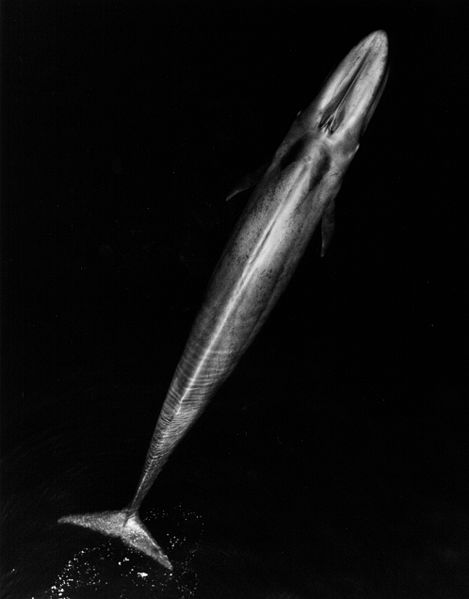
Fig.1. Blue whale from above
(
Credit: NOAA Fisheries, 2007)

What happens when a blue whale washes up on shore? This week in the news, scientists and students had the chance of a lifetime to study rare animals from around the world, from blue whales in Oregon to mysterious arachnids near the Dead Sea.

Friday, November 13, 2015

In the News: Around the World and Back in Time

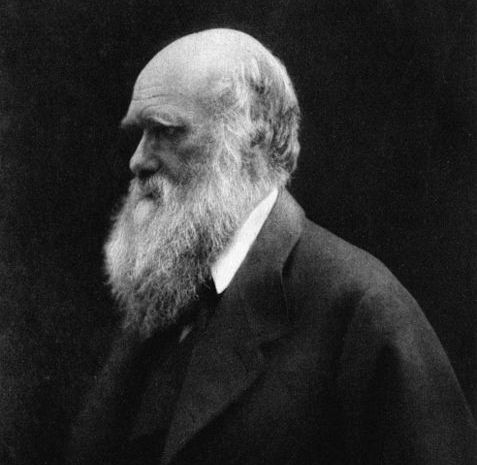
Fig.1. Charles Darwin in 1868 (Credit: Julia Margaret Cameron, 1868)

Instead of sailing to the other side of the world like Darwin, modern evolutionary biologists can scope collections for insight into ancient changes. Online digitized records, hands-on staining, and teeth hidden in collections are being used to rewrite the evolutionary history of animals:

Friday, November 6, 2015

In the News: The Terror of the Midwest

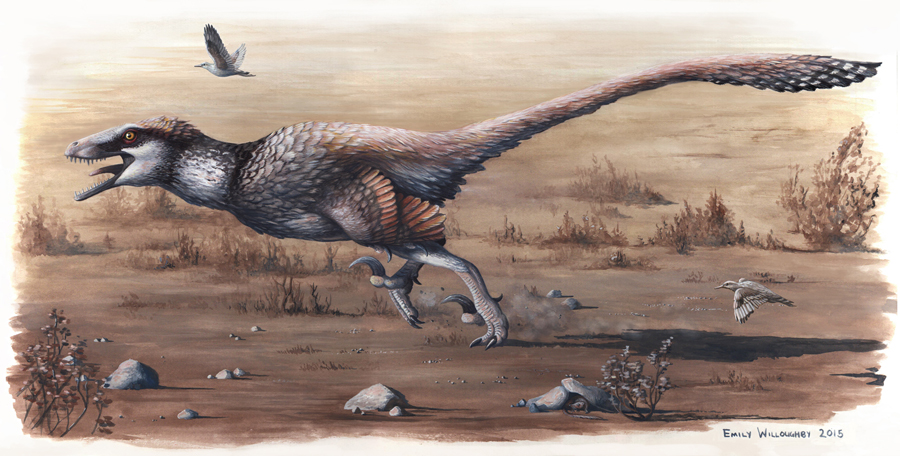
Fig.1. Artist illustration of Dakotaraptor steini, DePalma et al 2015
(
Credit: Emily Willoughby, 2015

The recently described Dakotaraptor, found in the Hell Creek Formation of South Dakota, is only one of several species in the news this week who give a glimpse into ancient history. Read to learn about a baby Pentaceratops, fire-frogs, sea urchins, and more!

Friday, October 30, 2015

In the News: The Creepy and the Curious

Fig.1. Dermestid beetles on a skull (Credit: Josh More via Flickr, 2014)

From parasite collections to ship graveyards, creepy and curious science is featured in this week's news. Read to learn about the importance of flesh-eating beetles to natural history museums, the sheer diversity of spider species, worms that look like vermicelli, and more:

Friday, October 23, 2015

In the News: Beautiful Biodiversity

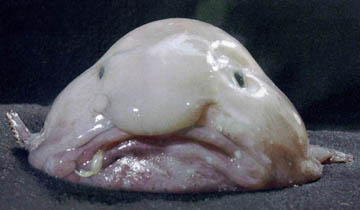
Fig.1. Psychrolutes marcidus, otherwise known as the blobfish
 (
Credit: Kinskarije via Flickr
)

The blobfish, seductive monkeys, and sea snakes are only some of the unusual museum specimens in the news this week. Read to learn about how to catalog and protect these amazing (if not quite beautiful) animals:

Friday, October 16, 2015

In the News: A Celebration of Bones

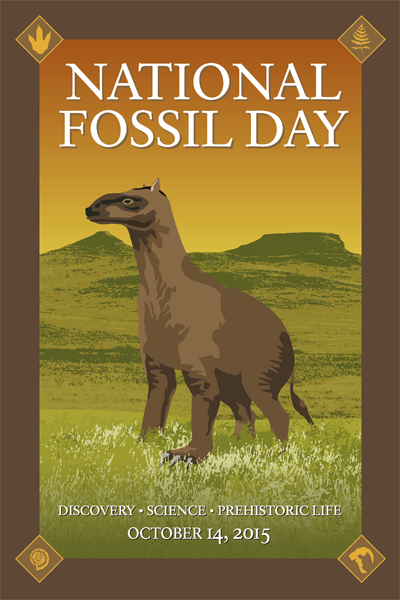
Fig.1 chalicothere in a Miocene grassland
(
Credit: National Fossil Day™ 2015)

In honor of National Fossil Day this week, learn about exciting finds in paleontology and paleoanthropology. From human migration to climate change, these bones open a new window into ancient history:

Friday, October 9, 2015

In the News: Heart Valves and Human Migration

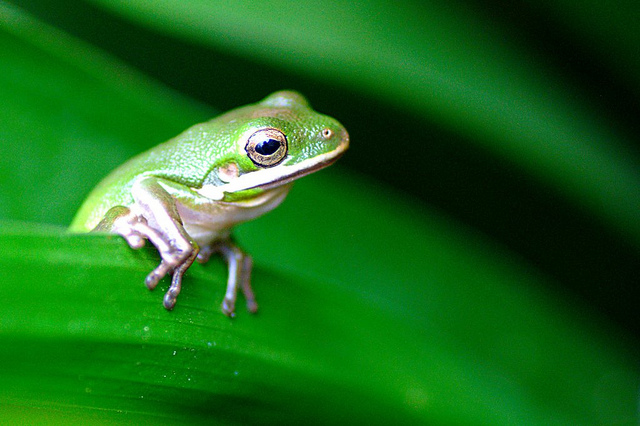
Fig.1. Frogs around the world are going extinct (Credit: Theodore Scott via Flickr)

Frog collections, iconic trees, and heart valves take center stage in the news this week. These unique collections help to elucidate the origins of human culture, preserve genetic material, protect biodiversity, and much more:

Friday, October 2, 2015

In the News: Museum Closure

Fig.1. The Illinois State Museum is closed to the public
 (Credit: Mike Linksvayer via Flickr)

The closure of a top natural history museum, a withdrawal from the ‘doomsday’ vault, and the arrival of a huge dinosaur skeleton herald major changes underway for these top research institutions and museums around the world:

Friday, September 25, 2015

In the News: Filter-Feeders and Whale Drones


Fig.1. This basking shark is one of several species that independently evolved the ability to filter feed (Credit: Greg Skormal/NOAA Fisheries Service, 2011)

Breathalyzer tests for whales and climate change-fighting sea creatures are part of ongoing research in marine animal science. Read to learn more about checking the health of whales, the unusual octopus genome, plankton-feeding sharks, and more!

Friday, September 11, 2015

In the News: A New Member of the Family

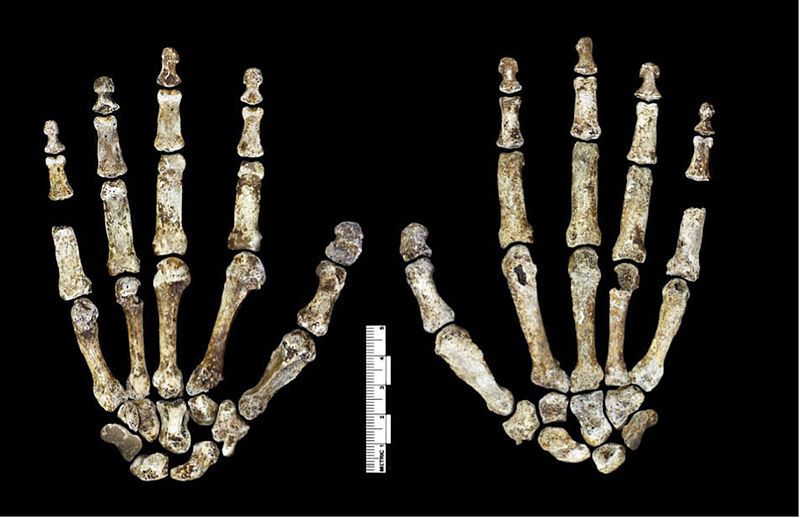
Fig.1. Left and right view of a hand of Homo naledi, a recently discovered species of extinct hominin found in South Africa (Credit: Lee Roger Berger research team, 2015)

From bones hidden in the depths of a South African cave to century-old mold, these scientific discoveries change our understanding of human evolution and disease. Read to learn more about a new hominin, trade and caffeine, tracking diseases, and more:

Friday, September 4, 2015

In the News: Birds of a Feather

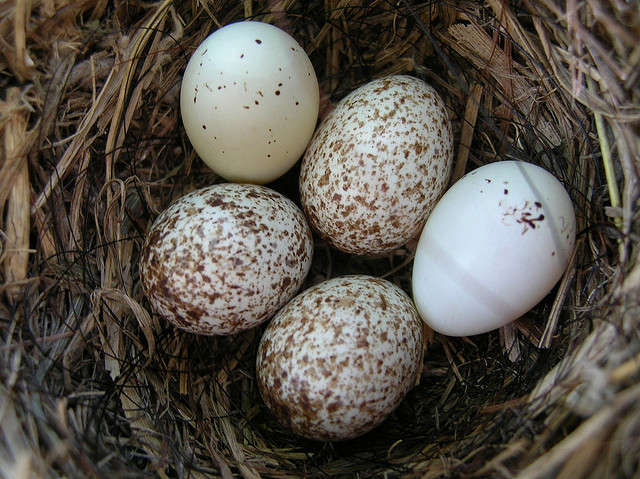
Fig.1. House Finch-eggs (Credit: Rich Mooney via Flickr, 2005)

Between Victorian egg collecting and modern day plastic production, humans have endangered bird populations around the world. Living collections and dried specimens found in museums help us to paint a picture of both their ancient relationship with people and future survival:

Friday, August 28, 2015

In the News: Collecting for Disasters

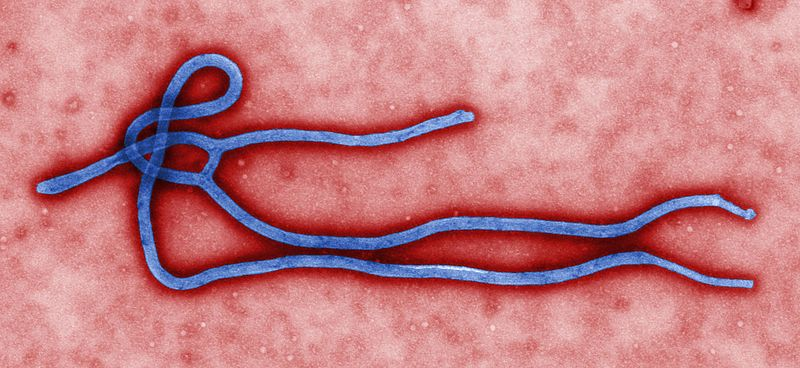
Fig.1. A planned biobank for samples from Ebola patients could bolster African science and aid in global health efforts (Credit: CDC/Cynthia Goldsmith, via PHIL)

How far would you go to collect? When it comes to studying a nuclear disaster, a deadly disease, or even unreachable plants, these scientists come up with clever ways to take samples. Such collections help in global health and environmental efforts that work to protect our world: