Showing posts with label bees. Show all posts

Wednesday, February 10, 2016

In the News: From Peru to Outer Space

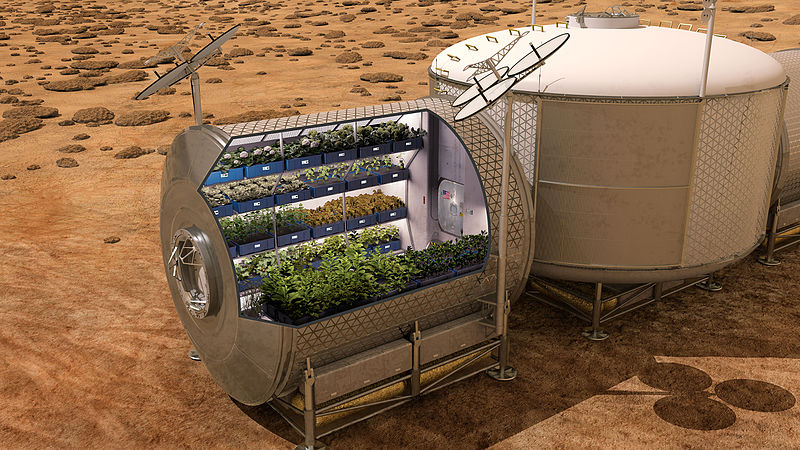
Fig.1. Illustration of a plant growth chamber on Mars (Credit: NASA, 2015)

Scientists from NASA have teamed up with the International Potato Center (CIP) in Peru to grow potatoes in Mars-like conditions for the benefit of possible manned-missions to our neighboring planet. This experiment - perhaps inspired by Mark Watney of The Martian - is just another exciting piece of news in agriculture and food security this month.

From ancient Scandinavia to outer space, collections are pushing the boundaries of our agricultural understanding. They reveal the history of food security and offer a future for agriculture in a world that must feed 7.4 billion people.

Friday, June 19, 2015

In the News: What's the Buzz?


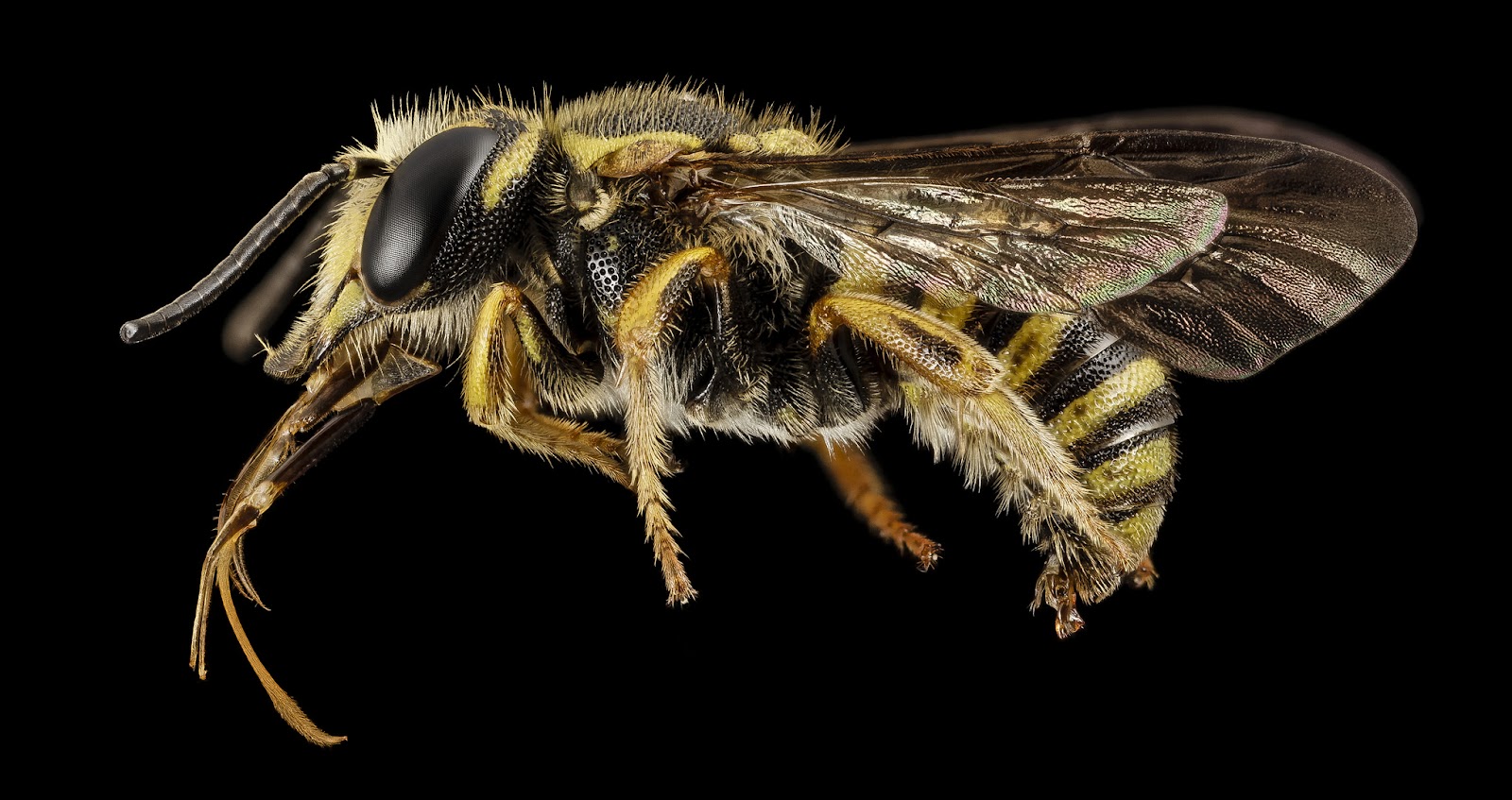
Fig.1. This Paranthidium jugatorium is bee from the eastern United States, whose species is experiencing a population decline. Plant some woodlands sunflowers to attract this beautiful bee! (Credit: USGS via Flickr, 2015)

Happy National Pollinator Week! To accompany our Wednesday post on bats, we found other articles which celebrated pollinators with interesting facts and calls for conservation. Read to learn about these special animals, big and small, that contribute to ecosystems, agriculture, and more:

Wednesday, February 4, 2015

Secret Life of Bee Collections


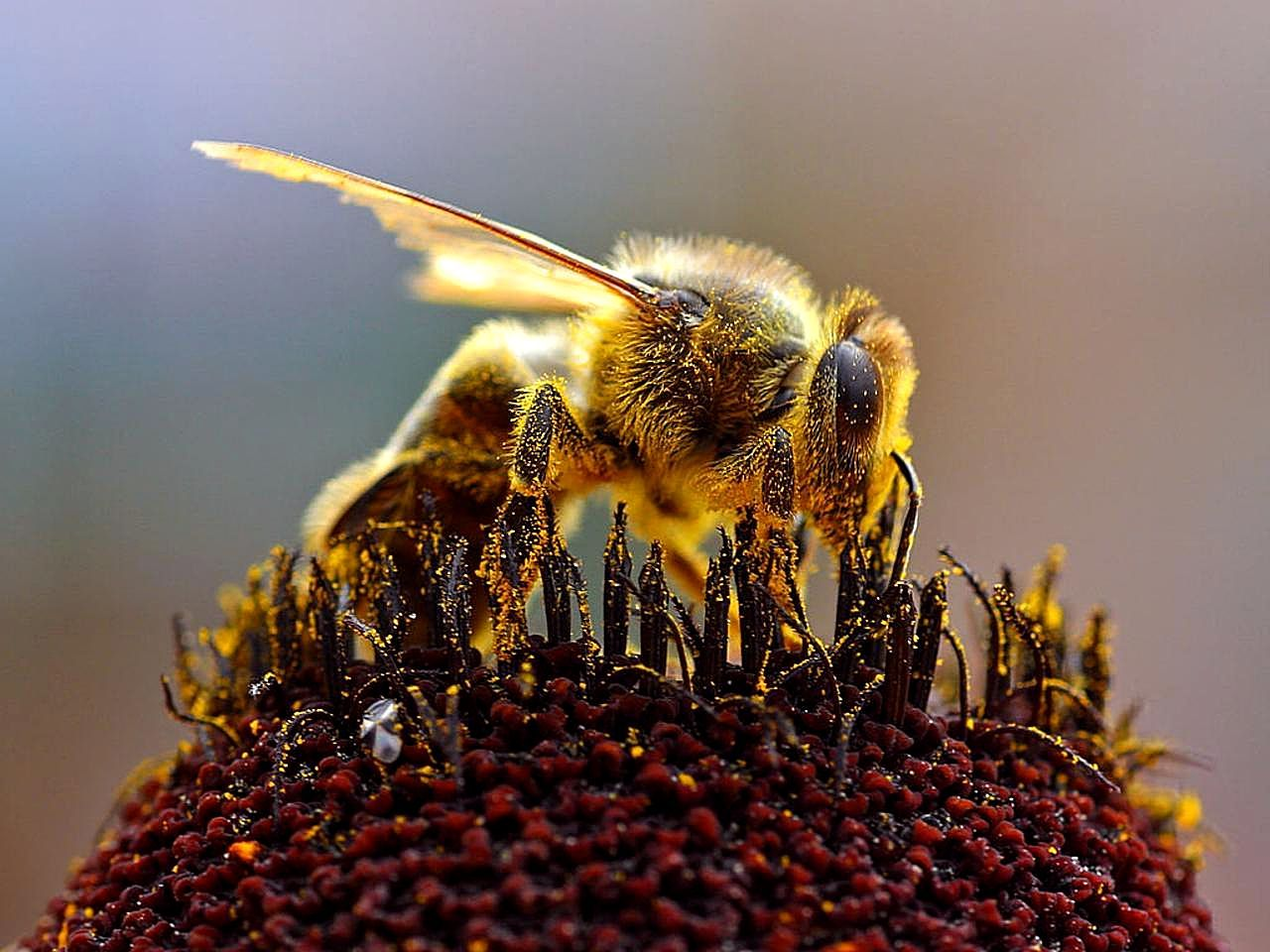
Fig.1. Honey bee (Apis mellifera) collecting pollen (Credit: Jon Sullivan)

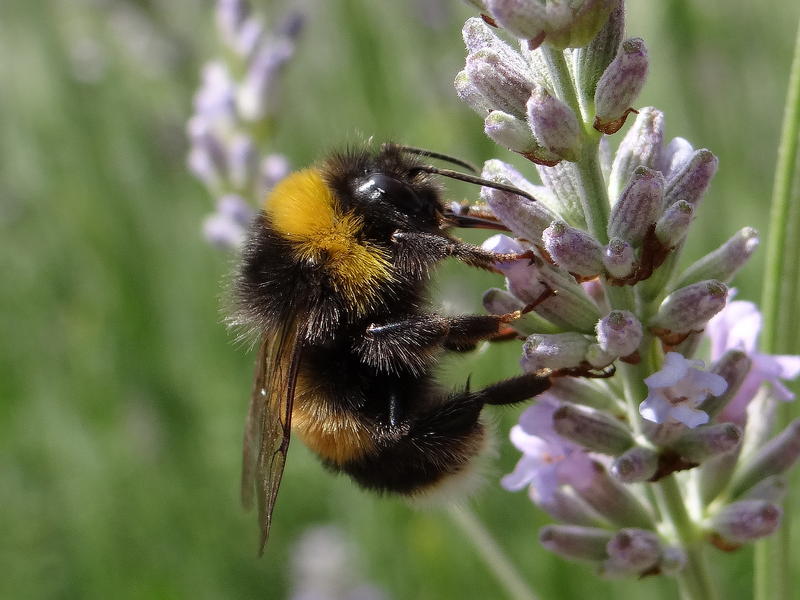
Last summer, all 45,000 bumblebees from the National Museum of Natural History’s entomology collections were digitized. This enormous project involved taking pictures of each specimen with their accompanying data and uploading this information into an online database. Collection digitization has become an increasingly popular method for both preserving sample information and offering greater accessibility - in this case, to one of the world’s largest bumblebee collections. With the unfortunate declines in bumblebee and honey bee populations, physical and digital collections offer an opportunity for conservation and research that might otherwise be impossible.