Showing posts with label permafrost. Show all posts

Tuesday, December 22, 2015

A Year in the Life of "Collections in the News"

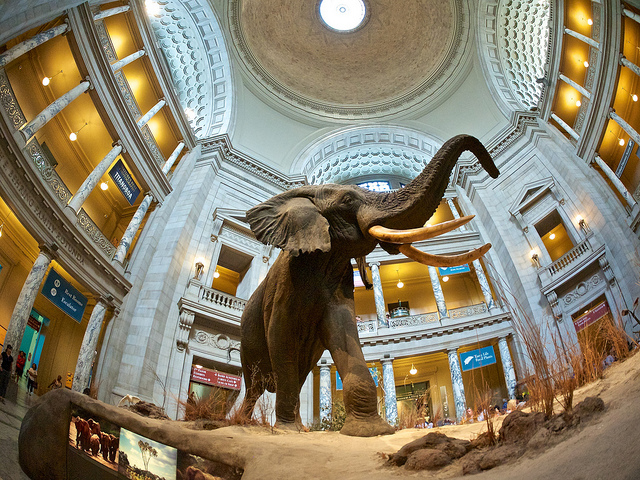
Fig.1. SciColl secretariat is housed at the National Museum of Natural History in D.C.
(Credit: 
Don DeBold, 2012

With 158 articles published and more than a year underway, Collections in the News has sought to raise awareness about ongoing research done with scientific collections. This year brought visitors from 95 countries to our blog who read about a disease detective at the National Museum of Natural History, stopped for their Monday morning coffee break each week, and had the chance to learn how microbes and mammoth bones teach us more about our world.

Some blog highlights for 2015 include article series on international efforts that work to protect the planet’s soils and address climate change problems. We also participated in GIF week with Deep Sea News and celebrated Thanksgiving with maize scientists. Read more below about these article series!

Wednesday, June 10, 2015

Beneath the Surface


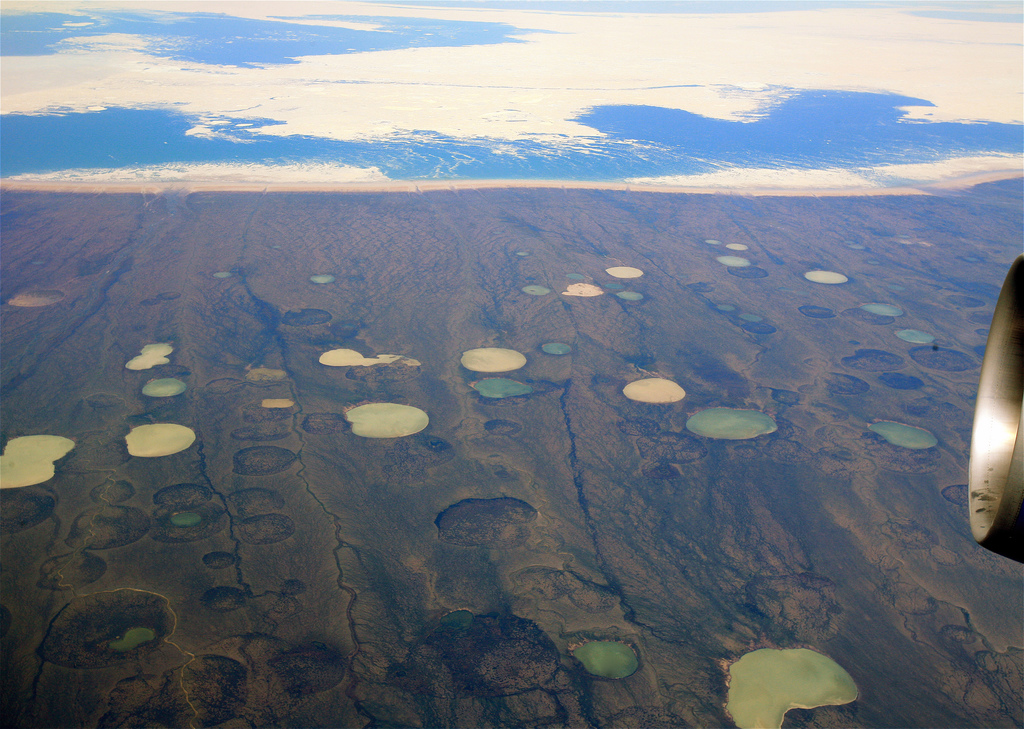
Fig.1. Permafrost thaw ponds in Northern Canada are formed when collapse of ground levels associated with permafrost occurs and creates depressions. Such land surfaces are called thermokarst. (Credit: Steve Jurvetson via Flickr, 2008)

Editors Note: This article is the first in a series that focuses on the International Year of Soils, a global effort that aims to increase the awareness of the importance of soil for food security and the environment. Future articles of ours will address the role soil plays in these areas and why soil repositories matter.


The frozen tundra of northern Alaska may not seem like a hotbed of life on Earth, but it is actually teeming with communities of microorganisms. These microbes currently live within the frozen soil, or permafrost, of Arctic regions and will soon play a very important role in environmental change. Increased temperatures have started to thaw permafrost soils, which cover 24% of the exposed land surface in the Northern Hemisphere. As the soil thaws, microbes metabolize ancient litter and animal remains trapped underground, releasing carbon dioxide and methane gas into the atmosphere. These greenhouse gases can accelerate climate change and contribute to the vicious cycle of warming and carbon release.