Showing posts with label aqueducts. Show all posts

Friday, January 15, 2016

In the News: What We Leave Behind

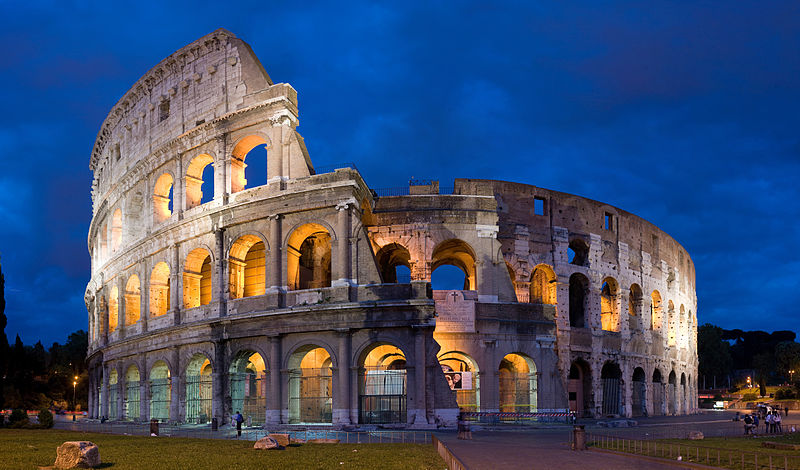
Fig.1. Colosseum in Rome, Italy
(
Credit: David Iliff, 2007. License: CC-BY-SA 3.0)

Although Ötzi the Iceman offers scientists an unprecedented view of early European life, such direct physical evidence is not always available. This week, researchers used parasites to track Romans, mammoth bones to study Arctic dwellers, and more to overturn previously held assumptions about the ancient world.

Thursday, May 7, 2015

The Chemistry of Ancient Rome


Fig.1. Aqueduct of Segovia, a Roman aqueduct in modern-day Spain (Credit: Arian Zwegers, 2013, via Flickr).

At the height of the Roman Empire, aqueducts stretched across Europe and helped sustain a population of one million people in Rome alone. As water rushed through these engineering marvels, it often left behind layers of sediment along the walls, which built up for hundreds of years. A recent study has found that the sediment, often deposits of calcium carbonate, may provide a highly nuanced and localized picture of the climate during ancient times. Such a specific record of temperatures or precipitation, along with historical and cultural accounts, would shed light on how human societies adapt to climate change.