Showing posts with label extinction. Show all posts

Friday, February 5, 2016

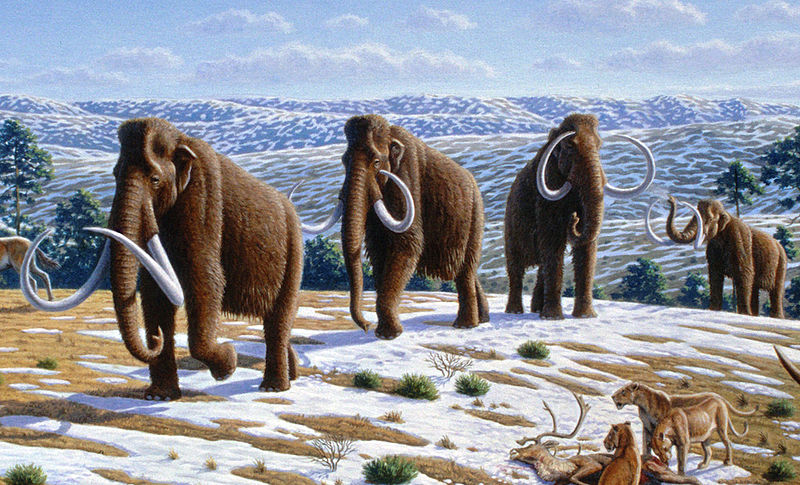
In the News: Mammoth for Dinner?

Fig.1. Woolly mammoths (Mammuthus primigenius) in late Pleistocene landscape
(
Credit: Mauricio Antón, 2004)

From ices cores to mammoth meat, this week is full of curiosities frozen in time. A return to these specimens reveals an important software error, a lesson in evolution, an answer to a decades-old question, and more:

Friday, November 13, 2015

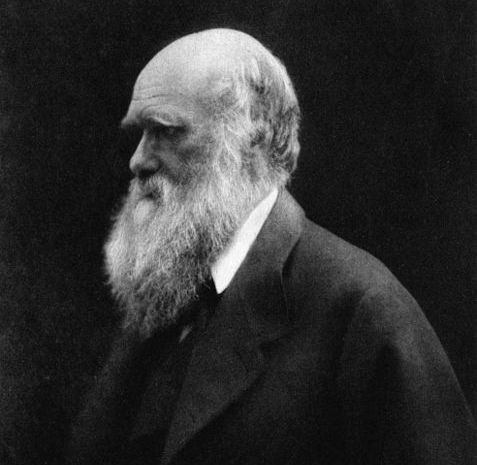
In the News: Around the World and Back in Time

Fig.1. Charles Darwin in 1868 (Credit: Julia Margaret Cameron, 1868)

Instead of sailing to the other side of the world like Darwin, modern evolutionary biologists can scope collections for insight into ancient changes. Online digitized records, hands-on staining, and teeth hidden in collections are being used to rewrite the evolutionary history of animals:

Friday, October 9, 2015

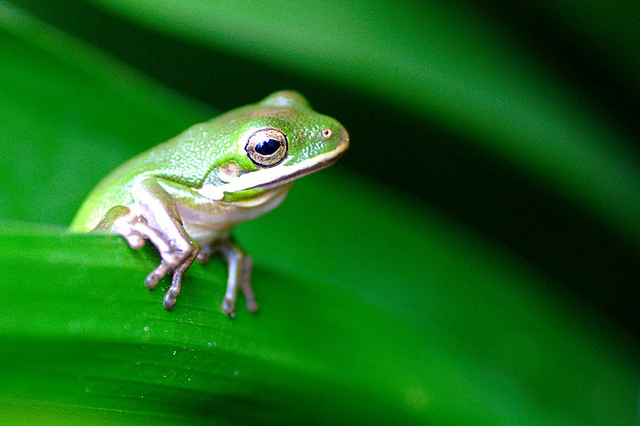
In the News: Heart Valves and Human Migration

Fig.1. Frogs around the world are going extinct (Credit: Theodore Scott via Flickr)

Frog collections, iconic trees, and heart valves take center stage in the news this week. These unique collections help to elucidate the origins of human culture, preserve genetic material, protect biodiversity, and much more:

Friday, September 4, 2015

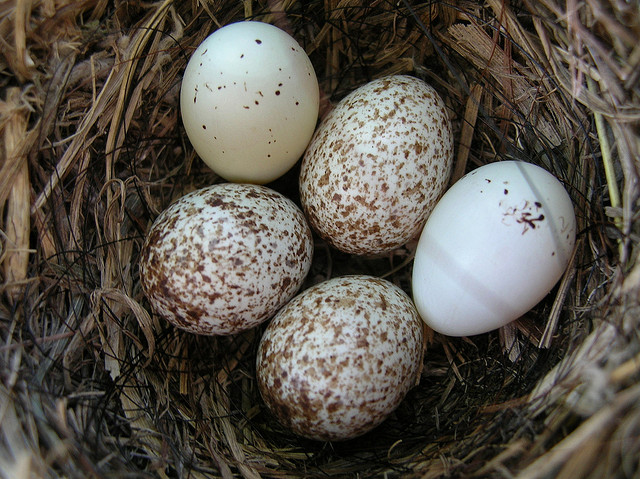
In the News: Birds of a Feather

Fig.1. House Finch-eggs (Credit: Rich Mooney via Flickr, 2005)

Between Victorian egg collecting and modern day plastic production, humans have endangered bird populations around the world. Living collections and dried specimens found in museums help us to paint a picture of both their ancient relationship with people and future survival:

Thursday, September 3, 2015

The End of the World, 252 Million Years Ago


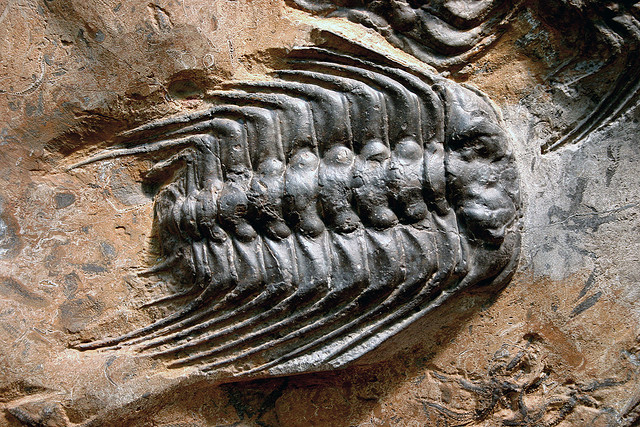
Fig.1. This trilobite was part of an important class of extinct animals that one ruled the seas (Credit: Kevin Walsh, 2005 via Flickr) 


Have you ever wondered about the curious creatures behind #trilobitetuesday? These marine arthropods roamed the oceans for over 270 million years and are widely considered to be among the most successful of early animals. Trilobites are well preserved and make up a large number of marine invertebrate fossil collections, informing on research in fields as wide ranging as evolutionary biology to plate tectonics. They ultimately went extinct at the end of the Permian period around 252 million years ago - along with more than 90 percent of ocean species and 75 percent of land species - during the most massive extinction event in the paleontological record. Although causes have been attributed to anything from asteroids to sea-floor methane, a recently published paper in Science Advances argues that volcanic activity catalyzed the catastrophic Permian-Triassic extinction event.

Tuesday, August 25, 2015

Ancient Giants in Warmer Times


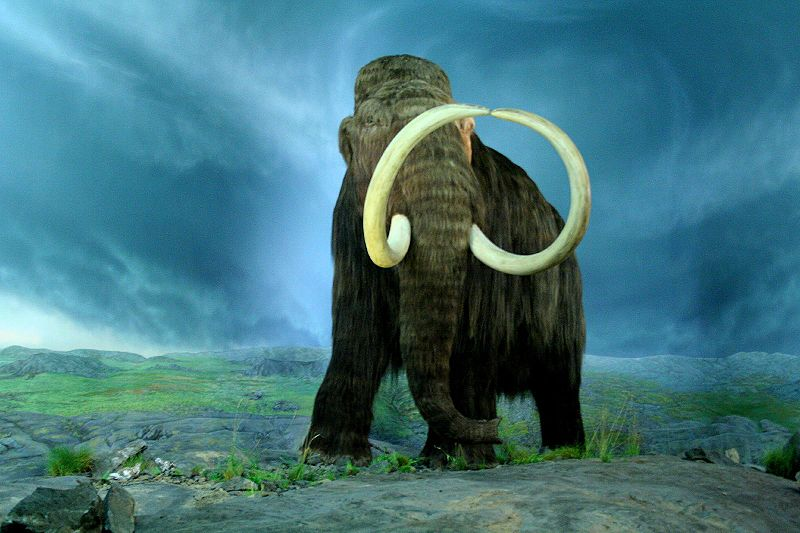
Fig.1. Woolly Mammoth at the Royal BC Museum, Victoria, British Columbia (Credit: Tracy O via Flickr)

Between 40,000 to 10,000 years ago, the world experienced a mass extinction of megafauna, a diverse group of animals that included such members as the mastodon and the woolly rhino. Although humans are often blamed for the disappearance of these creatures - either through overkill or habitat modification - the underlying causes are more complicated than previously thought

Tuesday, August 11, 2015

The Edge of Extinction


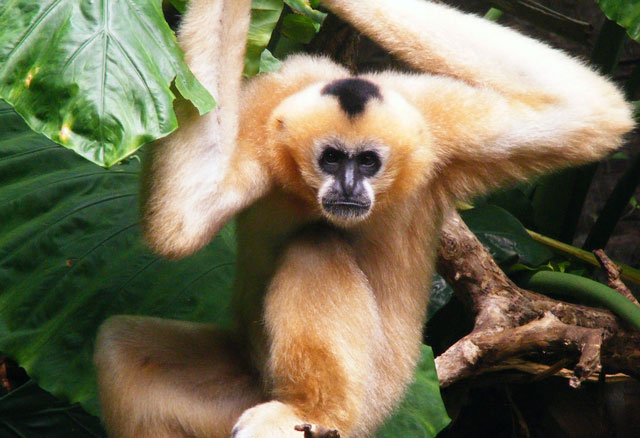
Fig.1. The Hainan black-crested gibbon (Nomascus hainanus) is critically endangered with under 30 individuals left in the wild (Credit: MRNS)

With only 26 to 28 individuals left in the forests of southwest China, Hainan gibbons are the rarest primates on Earth. Habitat destruction and poaching have placed this species (Nomascus hainanus) on the cusp of extinction. Ongoing conservation efforts work to protect China’s endangered biodiversity, but tracking species decline is especially difficult. Extinction often occurs over centuries, and the extent of how humans affect animals is difficult to determine without a baseline of past population numbers. A recent study published in the Proceedings of the Royal Society B examined a novel resource in the fight to protect biodiversity and shed light on the decline of gibbon populations over time.