Showing posts with label biodiversity. Show all posts

Friday, July 22, 2016

In the News: Biodiversity in Beer and Nut-cracking Monkeys

718post.jpg
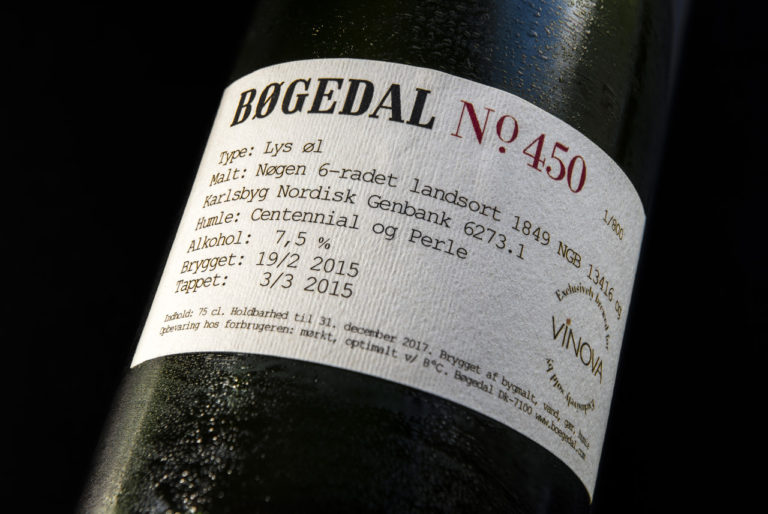
Fig.1. Some beer labels now display Genebank accession numbers. (Credit: Ove Fosså.)

A powerful DNA tool holds the answers to crop population genetic variations, and archaeologists discover tools that monkeys used to get their nut fix. That and more in our science news roundup.

Thursday, July 7, 2016

The Greatest Hits

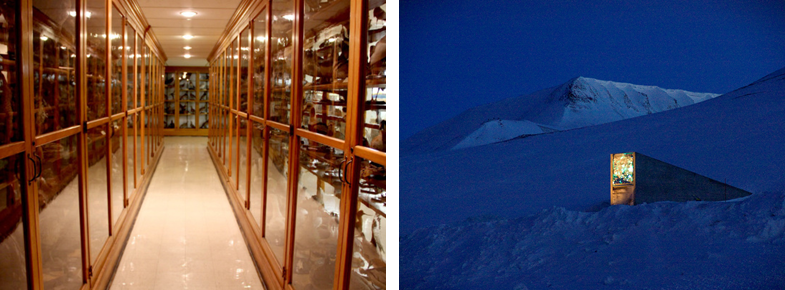
Fig.1. Museum in Pennsylvania (Credit: Michelle J. Enemark, 2011) and the Svalbard Global Seed Vault 
 (Credit: Mari Tefre, Global Crop Diversity Trust, via Flickr

Editor’s Note: After two years of exciting and engaging work, staff writer Adele Crane will be leaving Scientific Collections International for graduate school in Arizona. Out of 214 posts garnering more than 34,500 views, Adele chose some of her favorite articles.


From a small natural history museum in Pennsylvania to a seed-bank built to survive doomsday scenarios, collections reside all around the world in many forms. My work over the past two years with Scientific Collections International (SciColl) has been to chip away at only a fraction of the specimens and samples out there, exploring a slew of topics from microbes in your backyard to moon rocks - and on rare cases, even both!

When we initially started the blog, we wanted to connect collections to disease research and response. Articles on cross-disciplinary and novel approaches to outbreaks would lead up to SciColl’s very first workshop on Emerging Infectious Diseases. The workshop was indeed timely, coinciding with the Ebola epidemic in Africa, and it highlighted the need to make this type of active outreach ongoing, instead of sporadic.

Perhaps as a preface to the type of work I will pursue in graduate school, my favorite articles were a fantastic education on how to bridge unique specimens with historic and current disease research. To break down the broad topic of “emerging infectious diseases,” we focused on smaller case studies of known and relatively unknown pathogens that affect millions around the world:

  • Disease Collections and How They Can Save the World: In 1976, a broken vial of blood transported in luggage from the Democratic Republic of the Congo found its way to the young Belgian scientist, Peter Piot. The blood carried one of the most feared pathogens in current disease research. 

  • C. Miguel Pinto, the Disease Detective: A conversation with C. Miguel Pinto in our very own museum explored the cross-section of disease research and classic taxonomy, in which basic evolutionary principles are tested. 
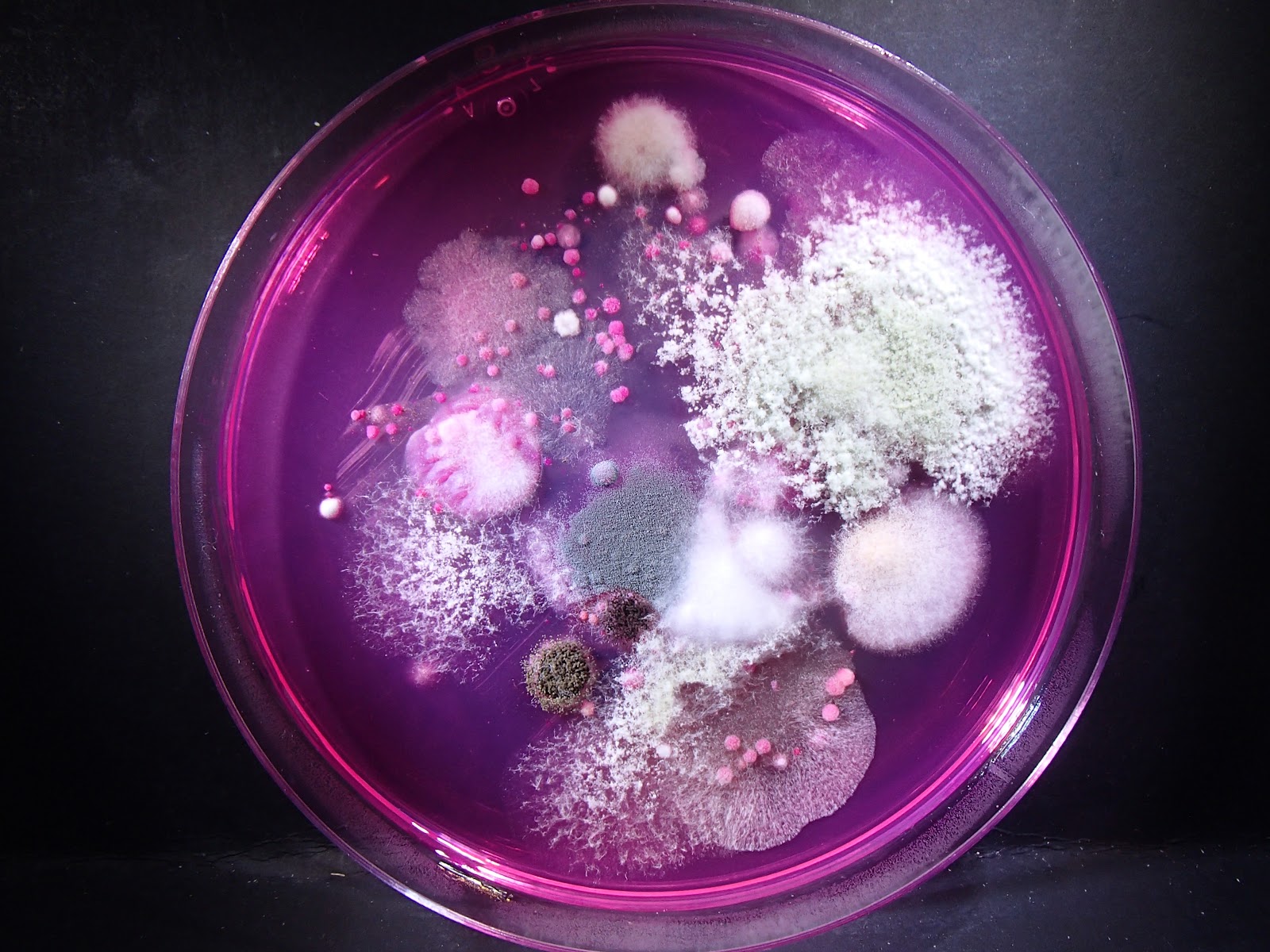
Fig.2. Plate of microorganisms that were cultured from the soil
(Credit: Julia Stevens)

Over the course of the blog, we looked beyond case studies and current research challenges. How can ancient specimens inform future problems? There are many examples where collections were used to further important research in areas like environmental change and food security.

When we take a step back, the larger impacts of educating the next generation of scientists or bringing countries together to protect biodiversity are extraordinarily important. After working with SciColl, I am grateful to have gained that perspective and I hope to hear many more of these stories in years to come:

  • Microbes and Middle Schools: Citizen science has the ability to reach both students and researchers in powerful ways. Collections that not only support invasive species studies but engage middle schoolers in science are a cornerstone of ongoing work at the North Carolina Museum of Natural Sciences. 

  • Seeds for the End of the World: Seed banks preserve both biological diversity and cultural heritage. Banks around the world, from Peru to Norway, are working to provide a future for agriculture and historical practices. 

  • Smart Collecting: A New Collecting Culture: What began as a short discussion in our Emerging Infectious Disease workshop turned into a larger conversation about a “collecting culture” that could be improved for museums and biobanks alike.

Tuesday, July 5, 2016

Save the Date: Food Security Symposium


We are excited to announce the symposium “Stressors and Drivers of Food Security: Evidence from Scientific Collections,” which will bring together researchers and experts on scientific collections across disciplines to address issues regarding food security. This symposium will be held September 19 to 21 at the National Agriculture Library in Beltsville, Md., and will be hosted by the U.S. Department of Agriculture and Scientific Collections International.

Friday, June 17, 2016

In the News: Creating Art and Spreading Hope

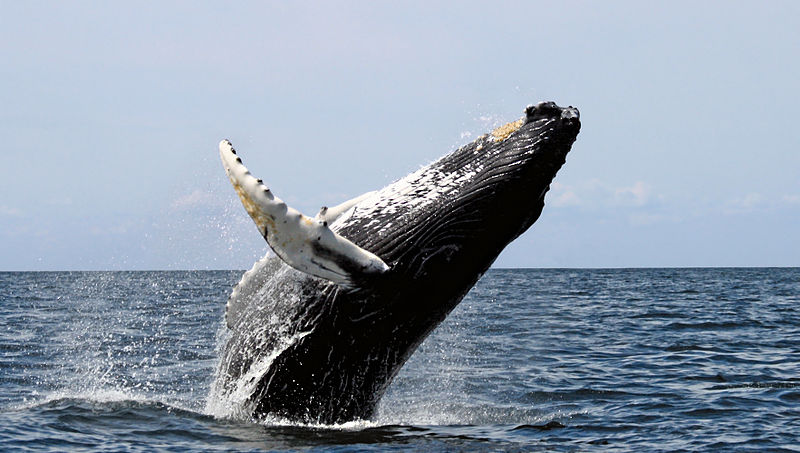
Fig.1. Humpback whale breaching in Stellwagen Bank National
Marine Sanctuary (
Credit: Whit Welles/2008)

Amidst fears for the planet’s future, these artists and marine biologists have a clear message of hope. From an active campaign to spread the word, to art that engages children and researchers, we can celebrate the biodiversity and beauty of our oceans. 

Wednesday, December 16, 2015

The Dawn of Birds

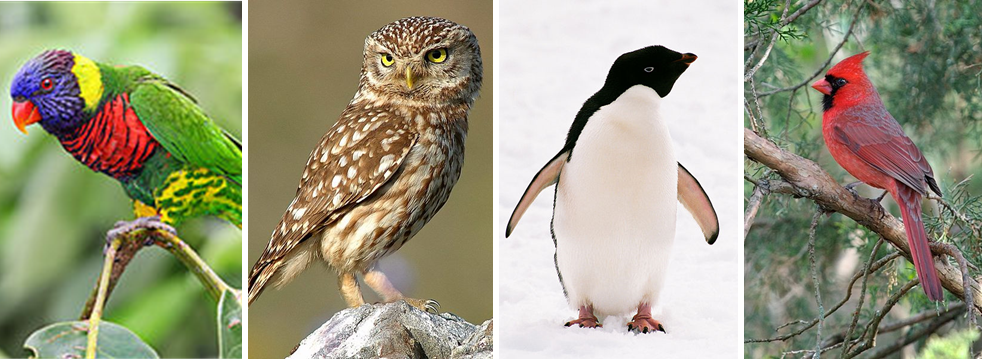
Fig.1. A green-naped lorikeet, a little owl, an Adélie penguin, and a northern cardinal show only a fraction of the remarkable diversity of birds (Credit: Benjamint, 2009Trebol-a, 2011Reinhard Jahn, 2007; & Stephen Wolfe, 2011)

Around 65 million years ago, one of the largest mass extinction events in Earth’s history occurred. An estimated 75 percent of all species went extinct, from non-avian dinosaurs to types of mollusks, plankton, insects, and plants. With extinction, however, came the chance for animals like birds to diversify and expand into empty ecological niches in a process called adaptive radiation. Although the Cretaceous-Paleogene extinction event (K-Pg) may have enabled the rapid evolution of new species of birds, research published last Friday in the journal Science Advances suggests that birds have a much longer and more complicated history than previously thought.

Wednesday, December 9, 2015

Bones of Coral Reefs

Fig.1. Coral depends upon algae for survival (Credit:via GIPHY)

In the middle of the Pacific Ocean, just off the small island of Kiritimati, corals are dying off at an astonishing rate. The small atoll, also called Christmas Island, suffers from high water temperatures caused by the current El Niño that have reached 4℃ above normal. Although these temperatures might be nice for a beachgoer, they do not bode well for the survival of the atoll’s extensive coral reefs.

Friday, November 20, 2015

In the News: Bones of Blue Whales

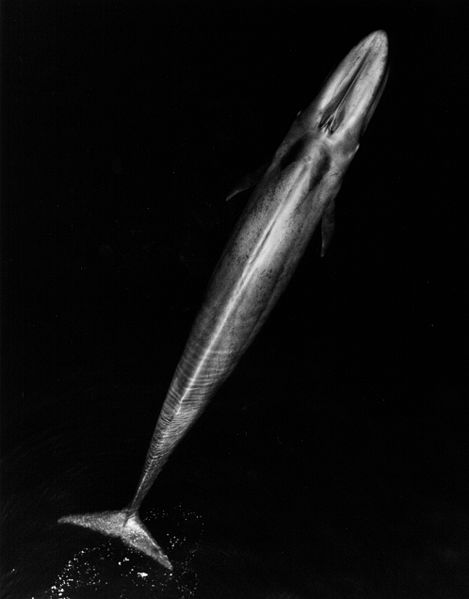
Fig.1. Blue whale from above
(
Credit: NOAA Fisheries, 2007)

What happens when a blue whale washes up on shore? This week in the news, scientists and students had the chance of a lifetime to study rare animals from around the world, from blue whales in Oregon to mysterious arachnids near the Dead Sea.

Friday, October 23, 2015

In the News: Beautiful Biodiversity

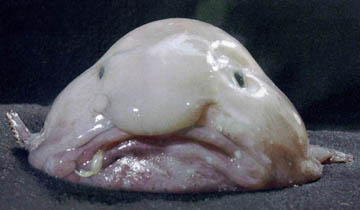
Fig.1. Psychrolutes marcidus, otherwise known as the blobfish
 (
Credit: Kinskarije via Flickr
)

The blobfish, seductive monkeys, and sea snakes are only some of the unusual museum specimens in the news this week. Read to learn about how to catalog and protect these amazing (if not quite beautiful) animals:

Tuesday, August 18, 2015

Change in the Delta

Fig.1: An aerial view of the Copper River Delta in Alaska. (Credit: Andrew Morin)

After years of working at the Northwest Fishery Science Center as a project manager, focusing her work on salmon, Carmella Vizza felt she needed a change.

“I decided it was time for me to go back to grad school to be more involved in conducting my own research,” Vizza said.

Tuesday, August 11, 2015

The Edge of Extinction


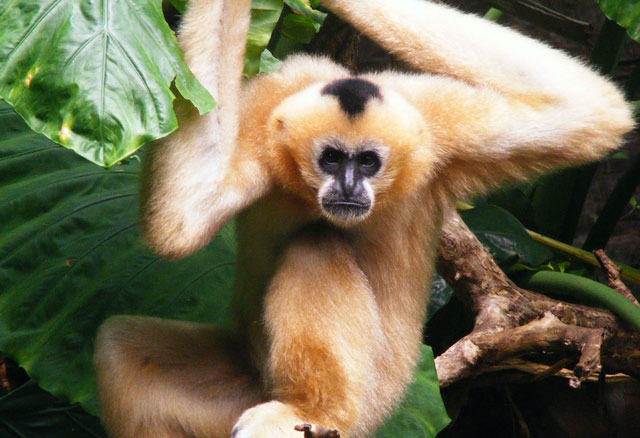
Fig.1. The Hainan black-crested gibbon (Nomascus hainanus) is critically endangered with under 30 individuals left in the wild (Credit: MRNS)

With only 26 to 28 individuals left in the forests of southwest China, Hainan gibbons are the rarest primates on Earth. Habitat destruction and poaching have placed this species (Nomascus hainanus) on the cusp of extinction. Ongoing conservation efforts work to protect China’s endangered biodiversity, but tracking species decline is especially difficult. Extinction often occurs over centuries, and the extent of how humans affect animals is difficult to determine without a baseline of past population numbers. A recent study published in the Proceedings of the Royal Society B examined a novel resource in the fight to protect biodiversity and shed light on the decline of gibbon populations over time.

Friday, August 7, 2015

In the News: Roots in the Past

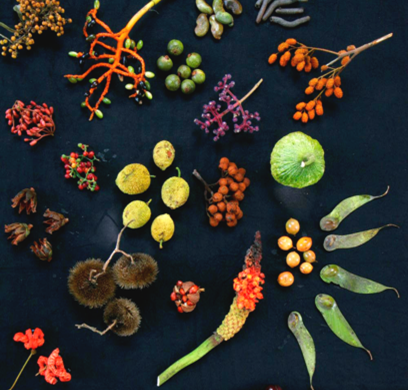
Fig.1 Diverse forest canopy fruit from Barro Colorado Island, Panama (Credit: Christian Ziegler, 2006

Biodiversity protection is the key to a healthy planet, from sustaining agriculture to maintaining ecosystems. This week, we learned how ancient developments affected modern day plants and why preserving species today will provide a snapshot into the past. Read theses articles, and more, for today's Follow Friday: 

Friday, July 24, 2015

In the News: Agriculture and Atomic Bombs


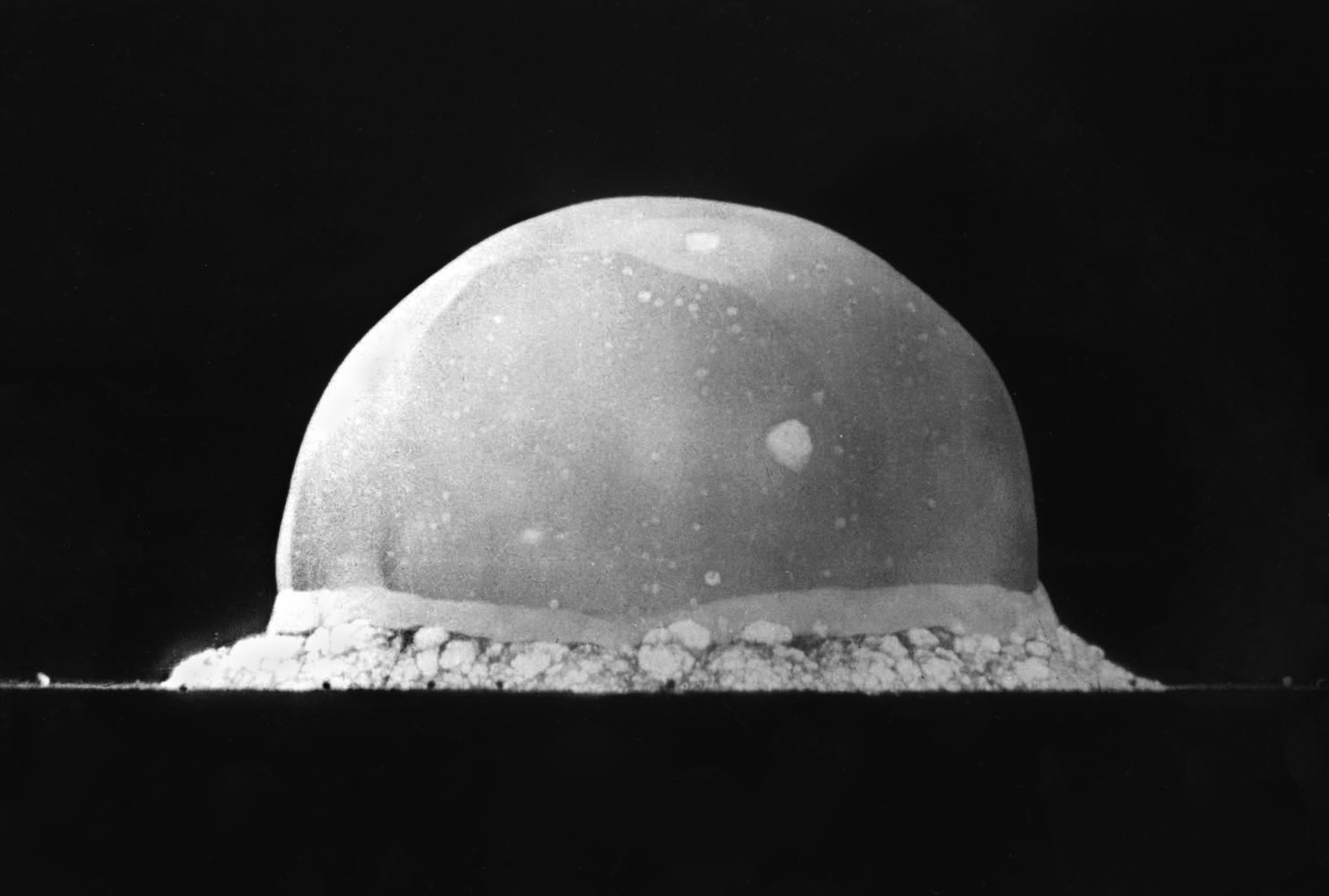
Fig.1. The Trinity Site explosion, 0.016s after the explosion on July 16, 1945. This was the first atomic bomb blast in human history (Credit: Berlyn Brixner)

Soil holds surprising secrets, from records of the first atomic bomb to evidence of how agriculture affected our stride. Read about the legacy of the Trinity Site explosion, feeding a growing population, 10 billion bacteria beneath our feet, and more!

Friday, July 17, 2015

In the News: Phones, Freezers, and the Future of Biodiversity


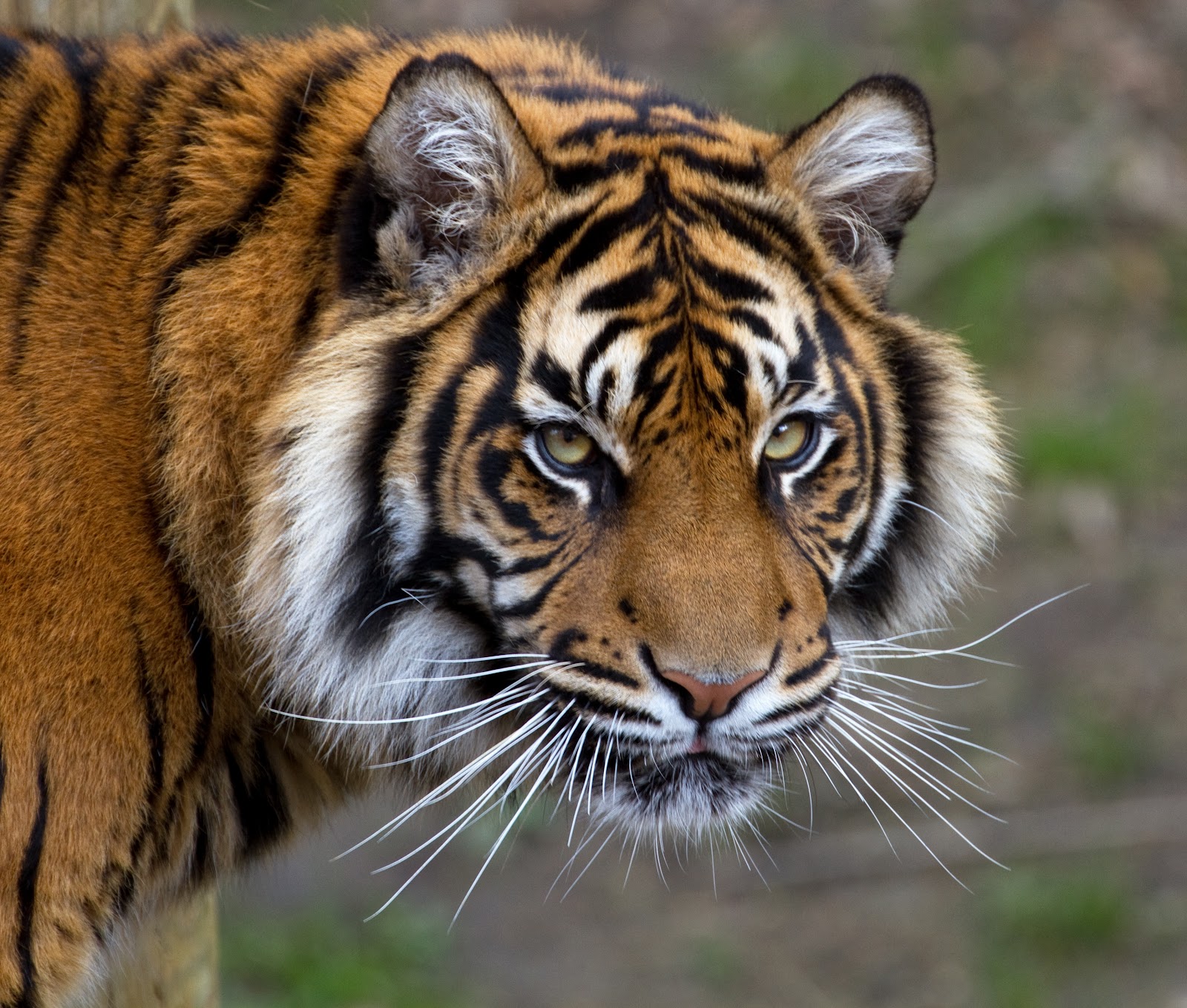
Fig.1. Animals like this Sumatran tiger are in significant danger from poaching.  (Credit: Tim Hisgett via Flickr, 2012)

Preserving the environment requires immediate action on wildlife crimes, plant biodiversity, crop adaptability, and more. Read about how biorepositories around the world are addressing our many needs in a warmer world:

Thursday, July 2, 2015

In the News: Lessons in Food and Health


Fig.1. Seeds from the NUAC Farm in Northern Uganda, part of an effort by the US Agency for International Development to aid in a global effort for food security (Credit: USAID via Flickr, 2012)

Collections offer valuable lessons in global health, food security, and biodiversity. Read to learn about mitigating emerging infectious diseases, providing a future for herbaria, and protecting our crops in the coming century: