Showing posts with label emerging diseases. Show all posts

Tuesday, October 24, 2017

Networking a Cure for HIV

    
Fig.1. HIV illustration (left, credit: ©iStock.com/Rost-9D) and receiving treatment (right, credit: WHO).


Editor’s Note: SciColl held our first community workshop on Emerging Infectious Diseases in October 2014. This October, we're posting several pieces that highlight the important work where collections continue to play an integral role.

Editor’s Note: SciColl intern, Eden Absar from the University of Houston, contributed this article as part of her time in the SciColl office during Summer 2017. 

The human immunodeficiency virus (HIV) is an enigma of an infection that has puzzled scientists, doctors, and researchers since the first presented case in the 1980s. Although the modern medical community continues to study it and gather information, a cure for the disease remains elusive. According to the Elizabeth Glaser Pediatric AIDS Foundation, as of 2015, there are nearly 37 million people worldwide who have been infected by HIV. Of that number, 1.8 million are children under the age of 15. In 2015, approximately 150,000 children were newly infected with HIV - a rate of nearly 400 new pediatric HIV patients every day. These numbers present a huge problem that appears to grow threateningly larger in the face of the lack of a cure for the disease.

Tuesday, October 17, 2017

Scientific Collections vs. Pandemics: an unfair match?

Fig. 1. Ebola Signs and Symptoms.

Editor’s Note: SciColl held our first community workshop on Emerging Infectious Diseases in October 2014. This October we're posting several pieces that highlight the important work where collections continue to play an integral role.

Editor’s Note: SciColl intern, Ebubechi Okpalugo from Pembroke College, contributed this article as part of her time in the SciColl office during Summer 2017.

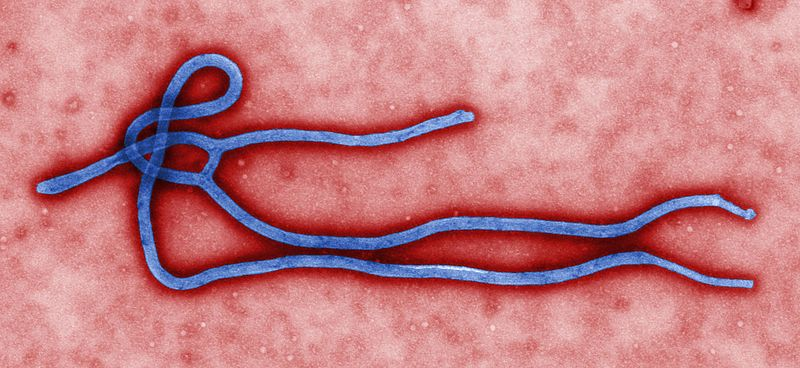
Sweeping across three countries and claiming over 11,000 lives, the 2014 West African Ebola outbreak is almost impossible to forget. First identified in 1976, in a remote village named Zaire in what is now the Democratic Republic of Congo, there have been multiple outbreaks of the virus since. But the 2014 pandemic, caused by the Zaire strain, has been the most deadly. Striking on the border of three of the poorest African nations, Sierra Leone, Guinea and Liberia, the virus spread to an unprecedented scale. Liberia, the worst hit, was not officially declared Ebola-free until the 13th of January 2016.

Could it have been stopped quicker? That’s where scientific collections come in.

Friday, January 6, 2017

Best of 2016: Our Annual Report


2016 was a great year for communication: we held a workshop on GRSciColl, we hosted three months of webinars on a wide range of topics, and we held a symposium on Food Security. The communities we developed around these main activities and our online outreach platforms engaged with us at every turn and we couldn’t have had such a successful year without you! 

Thursday, July 7, 2016

The Greatest Hits

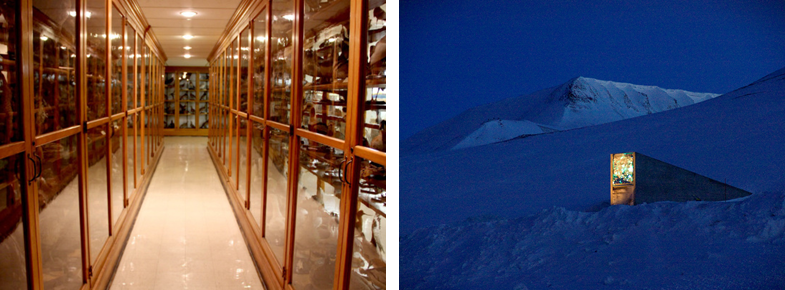
Fig.1. Museum in Pennsylvania (Credit: Michelle J. Enemark, 2011) and the Svalbard Global Seed Vault 
 (Credit: Mari Tefre, Global Crop Diversity Trust, via Flickr

Editor’s Note: After two years of exciting and engaging work, staff writer Adele Crane will be leaving Scientific Collections International for graduate school in Arizona. Out of 214 posts garnering more than 34,500 views, Adele chose some of her favorite articles.


From a small natural history museum in Pennsylvania to a seed-bank built to survive doomsday scenarios, collections reside all around the world in many forms. My work over the past two years with Scientific Collections International (SciColl) has been to chip away at only a fraction of the specimens and samples out there, exploring a slew of topics from microbes in your backyard to moon rocks - and on rare cases, even both!

When we initially started the blog, we wanted to connect collections to disease research and response. Articles on cross-disciplinary and novel approaches to outbreaks would lead up to SciColl’s very first workshop on Emerging Infectious Diseases. The workshop was indeed timely, coinciding with the Ebola epidemic in Africa, and it highlighted the need to make this type of active outreach ongoing, instead of sporadic.

Perhaps as a preface to the type of work I will pursue in graduate school, my favorite articles were a fantastic education on how to bridge unique specimens with historic and current disease research. To break down the broad topic of “emerging infectious diseases,” we focused on smaller case studies of known and relatively unknown pathogens that affect millions around the world:

  • Disease Collections and How They Can Save the World: In 1976, a broken vial of blood transported in luggage from the Democratic Republic of the Congo found its way to the young Belgian scientist, Peter Piot. The blood carried one of the most feared pathogens in current disease research. 

  • C. Miguel Pinto, the Disease Detective: A conversation with C. Miguel Pinto in our very own museum explored the cross-section of disease research and classic taxonomy, in which basic evolutionary principles are tested. 
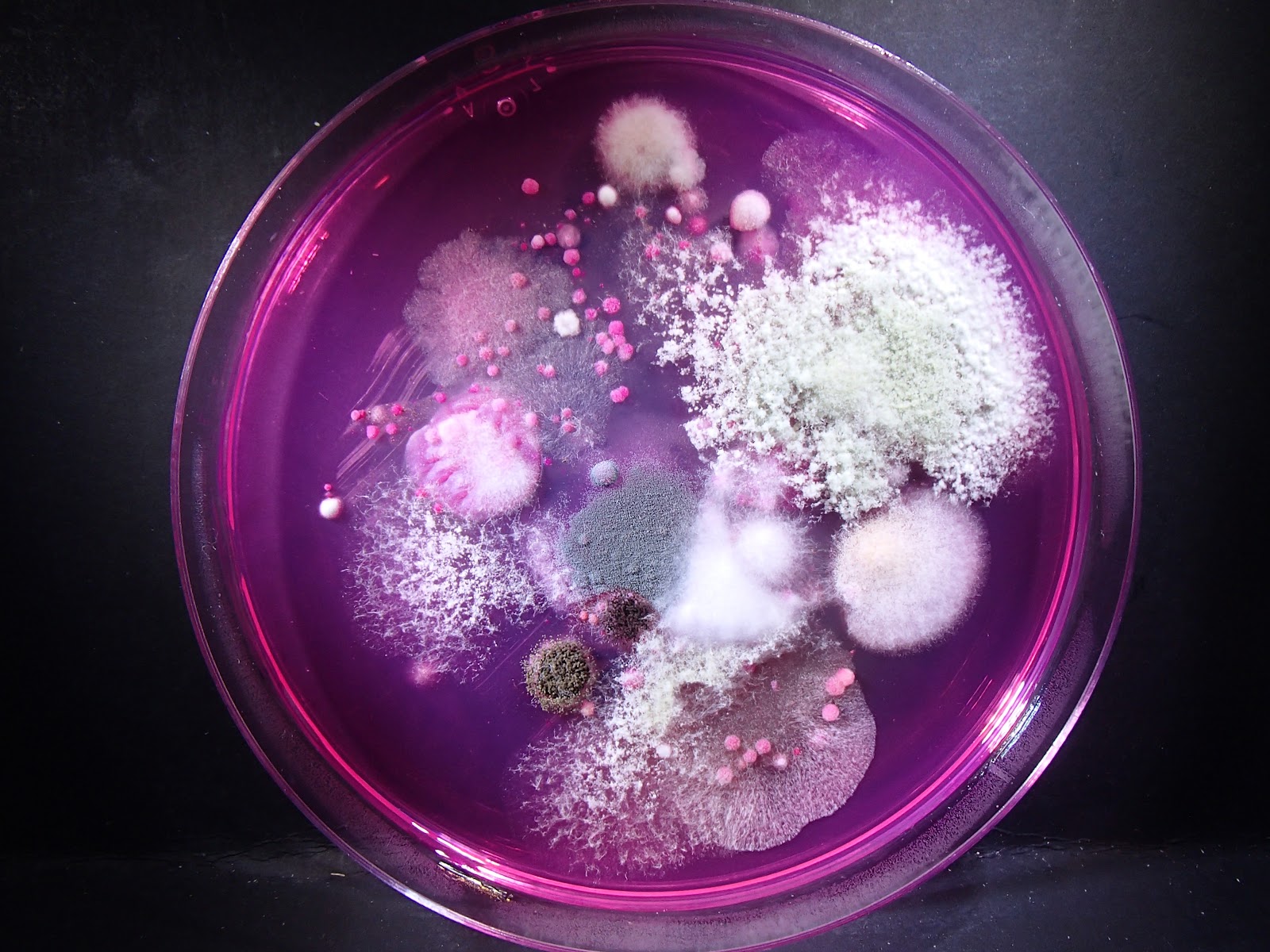
Fig.2. Plate of microorganisms that were cultured from the soil
(Credit: Julia Stevens)

Over the course of the blog, we looked beyond case studies and current research challenges. How can ancient specimens inform future problems? There are many examples where collections were used to further important research in areas like environmental change and food security.

When we take a step back, the larger impacts of educating the next generation of scientists or bringing countries together to protect biodiversity are extraordinarily important. After working with SciColl, I am grateful to have gained that perspective and I hope to hear many more of these stories in years to come:

  • Microbes and Middle Schools: Citizen science has the ability to reach both students and researchers in powerful ways. Collections that not only support invasive species studies but engage middle schoolers in science are a cornerstone of ongoing work at the North Carolina Museum of Natural Sciences. 

  • Seeds for the End of the World: Seed banks preserve both biological diversity and cultural heritage. Banks around the world, from Peru to Norway, are working to provide a future for agriculture and historical practices. 

  • Smart Collecting: A New Collecting Culture: What began as a short discussion in our Emerging Infectious Disease workshop turned into a larger conversation about a “collecting culture” that could be improved for museums and biobanks alike.

Thursday, June 23, 2016

The Origin(s) of Outbreaks

Fig.1. Color print of Aedes aegypti mosquito
 (
Credit: Emil August Goeldi, 1905
) 

On Monday, the Democratic Republic of the Congo (DRC) declared a yellow fever epidemic in three provinces, including the heavily populated capital of Kinshasa. The current outbreak has killed more than 300 people in Angola and depleted the world’s vaccine stockpile to protect people in Angola, DRC, and Uganda. Although the outbreak is largely confined to central Africa, scientists worry about its potential spread to Asia, where 2 billion people live in areas infested with the disease’s vector, the Aedes aegypti mosquito.

Public health officials do not yet know which factors led to this event becoming the deadliest yellow fever outbreak since 1971. Whether the virus became more virulent or it came in contact with new populations, the question of why now sits at the heart of every outbreak. To answer this question, scientists are teasing apart the genetic and environmental factors that make a disease tick. 

Wednesday, June 1, 2016

In the News: NSF Funding Back on Track

Fig.1. Research on migration, disease, and agriculture depend on a sound collections infrastructure
 (Credit left to right: Joi Ito/2008 pic. cropped, Paul Fürst/1656, Marie Hale/2010)

A critically important source of funding for collections in the United States has been reinstated. Though the program is still under evaluation, this money will go towards the preservation of specimens and infrastructure. This week in the news, we read about this program, as well as research projects underway around the world that depend on collections to further understand human disease, migration, and agriculture.

Wednesday, March 16, 2016

Slavery and the Spread of Disease

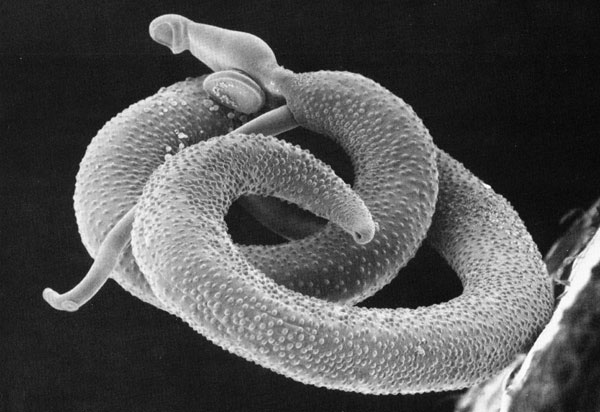
Fig.1. Scanning electron micrograph of a pair of Schistosoma mansoni
(Credit: Davies Laboratory Uniformed Services University, Bethesda, MD)

The transatlantic slave trade, which brought millions of Africans to the New World, connected four continents in a massive operation that lasted from the 16th to the 19th centuries. A recent study published in the journal Science Reports revealed that slave traders during these centuries contributed not only to an ongoing and tragic business in human lives, but also helped spread a parasitic disease around the world.

The parasitic fluke Schistosoma mansoni is one of several species that causes schistosomiasis (bilharzia), a Neglected Tropical Disease (NTD) found in almost 240 million people worldwide. This debilitating disease originated in East Africa and currently contributes to 20,000 to 200,000 deaths per year.

Wednesday, January 13, 2016

The Iceman's Stomach Bug

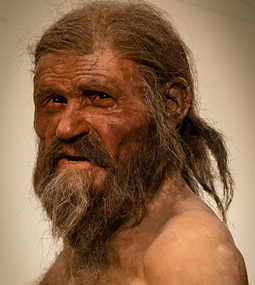
Fig.1. Reconstruction of Ötzi
(
Credit: Thilo Parg/Wikimedia Commons, License: CC BY-SA 3.0)

In 1991, two hikers stumbled upon a mummy high in the Ötztal Alps, right on the border between Austria and Italy. This mummy - nicknamed Ötzi, or the Iceman - is Europe’s oldest natural human mummy and is arguably one of the most studied cadavers in science. From his eye color (brown) to his dental health (poor), Ötzi reveals an amazing amount about how Europeans looked and lived 5,300 years ago. An international group of scientists released a study last week in the journal Science that added yet another detail to the treasure trove of research on the corpse, which may inform our understanding of ancient human migration into Europe.

Tuesday, January 5, 2016

Our 2015 Annual Report!

During the second year of SciColl activities, we engaged the community in new and exciting ways. We launched the Global Registry of Scientific Collections and participated on five social media platforms, which helped spread the word about our Emerging Infectious Diseases Workshop report and other collections research. See our 2015 Annual Report for the full highlights!

Curious about what we are doing in 2016? Sign up for blog updates, follow us on Twitter, or contact us directly to get involved.


Thursday, November 5, 2015

C. Miguel Pinto, the Disease Detective

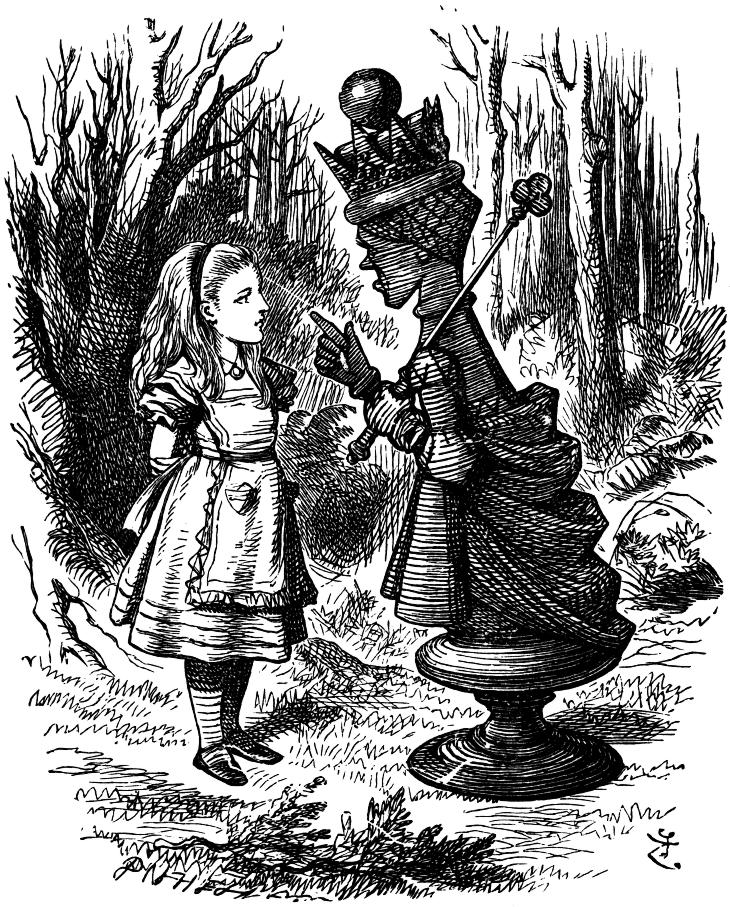
Fig.1. Red Queen lecturing Alice (Credit: John Tenniel, 1871)

“Now, here, you see, it takes all the running you can do to keep in the same place,”
- Lewis Carroll’s Through the Looking Glass

In Lewis Carroll’s Through the Looking Glass, Alice once again finds herself in a fantastical world. A chess piece called the Red Queen describes the rules of the Looking-Glass land, claiming that no matter how far Alice runs, the girl will stay in the same place. Evolutionary biologist Leigh Van Valen adopted this story in 1973 to illustrate the concept of an evolutionary arms race in which species must constantly evolve to remain extant. In symbiotic relationships, like that of parasites and hosts, an adaptation in one will affect the other. Therefore these organisms continually evolve, or “run,” to counter pressures posed by the opposite in order to survive.

This type of relationship fascinates C. Miguel Pinto, a George E. Burch and Peter Buck Postdoctoral Fellow at Smithsonian’s National Museum of Natural History (NMNH). He explores the evolutionary underpinnings of mammals and the parasites they hold. In particular, Pinto studies Trypanosoma parasites in bats.

Wednesday, October 28, 2015

Striking Gold (Teeth) with Ancient Plague DNA

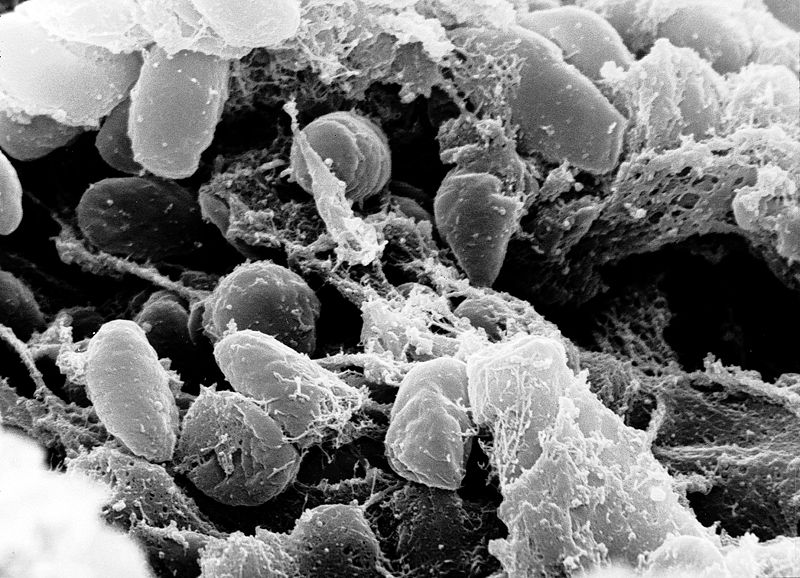
Fig.1. Scanning electron micrograph of Yersinia pestis bacteria mass in foregut of a flea
(Credit: Rocky Mountain Laboratories, NIAID, 2010)

Since the beginning of the year, fifteen people in the United States have been infected with the bubonic plague, and four of those individuals have died. This disease, often only mentioned in context of the Black Death (1346-1353 AD) or the Justinian Plague (541-542 AD), still exists today in pockets around the world. The causative pathogen Yersinia pestis hides in natural reservoirs, such as black-tailed prairie dogs in the southwestern United States or marmots in the Eurasian Steppe, only to flare up in human populations when rodents and the fleas they carry get too close.

Despite the deadly history of the disease - the Black Death killed an estimated 60 percent of the European population - Y. pestis evolved from a much less virulent ancestor that caused symptoms closer to the common cold. Previous research pinpointed the first appearance of this bacterium in skeletal remains at 1,500 years ago, but a study released last week in the journal Cell pushes that date back to more than 5,000 years ago.

Monday, October 26, 2015

Scientific Collections in Disease Response


One year ago, some of the world's leading minds in emerging infectious disease research met at the Smithsonian's National Museum of Natural History to discuss the role of scientific collections in disease response. Scientific Collections International (SciColl) brought people together from different disciplines and across various collections to create connections and spread ideas. Read to learn more about how collections are placed in a larger dialogue about disease research and response:

Workshop Report

Press Release 

Thursday, October 1, 2015

Old Blood and New Science


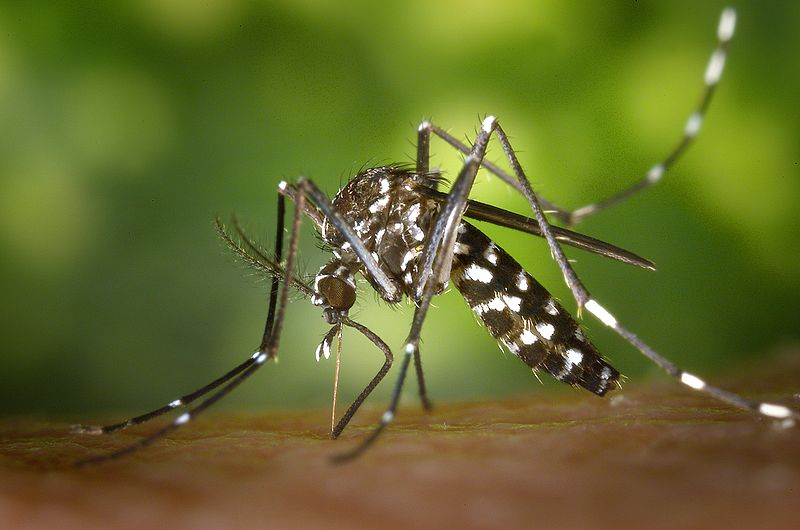
Fig.1. This Asian tiger mosquito (Aedes albopicts) can carry dangerous emerging diseases (Credit: James Gathany, CDC)

Little over a year ago, the first locally acquired case of the mosquito-borne disease chikungunya appeared in the continental United States. This virus had only been recognized seven months prior in the Western Hemisphere, but quickly joined diseases such as Ebola and hantavirus on the ever-growing list of emerging infectious diseases.

Friday, September 18, 2015

In the News: Virus Swarms and a (New) Paelo Diet

Fig.1. Child receiving polio vaccine (Credit: USAID Bangladesh)
"Mutant viral swarms," heirloom culture collections, and stone tools from 32,000 years ago are all in the science news this week. Read more to learn how emerging viral diseases and food security are studied using novel approaches to scientific collections:

Thursday, September 10, 2015

Happy Birthday, Collections in the News!


One year ago today, Collections in the News published its first article about ongoing research regarding collections and how they can tell us more about the world. To celebrate, here are our top five most viewed and shared articles from the past year:  

Collection Spotlight: NMNH Vertebrate Paleontology 

We learned about preserving fossils for future researchers and museum visitors, thanks to Dr. Hans-Dieter Sues, curator of Vertebrate Paleontology at the Smithsonian’s National Museum of Natural History.

Microbes and Middle Schools 

Dr. Julia Stevens at the North Carolina Museum of Natural Sciences told us why teaching middle school students about soil microbiology is important for the future of science. 
New technologies were applied to old history in Dr. Loren Sackett’s work with wildlife diseases that cross over into humans.

“Evil Twin” of Climate Change

Ocean acidification is an ongoing threat to sea life and is only part of how climate change will affect our world, but information from sediment cores may help us to mitigate the problem.

Smallpox, Now Online! 

In an age where digitizing collections are the norm, we talked about how the question of open-access data is at the forefront of biosecurity.

Friday, August 28, 2015

In the News: Collecting for Disasters

Fig.1. A planned biobank for samples from Ebola patients could bolster African science and aid in global health efforts (Credit: CDC/Cynthia Goldsmith, via PHIL)

How far would you go to collect? When it comes to studying a nuclear disaster, a deadly disease, or even unreachable plants, these scientists come up with clever ways to take samples. Such collections help in global health and environmental efforts that work to protect our world:

Thursday, July 2, 2015

In the News: Lessons in Food and Health


Fig.1. Seeds from the NUAC Farm in Northern Uganda, part of an effort by the US Agency for International Development to aid in a global effort for food security (Credit: USAID via Flickr, 2012)

Collections offer valuable lessons in global health, food security, and biodiversity. Read to learn about mitigating emerging infectious diseases, providing a future for herbaria, and protecting our crops in the coming century: