Thursday, December 3, 2015

Of Ice and Insects

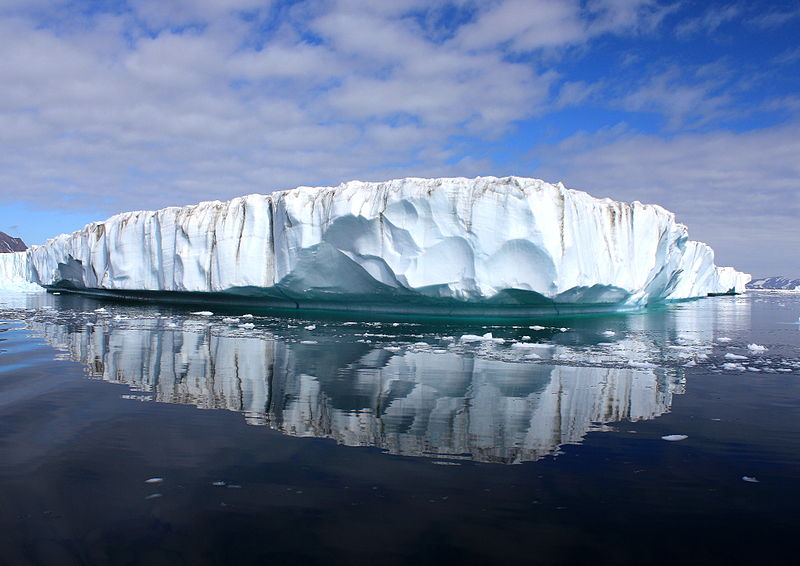
Fig.1. Greenland Ice Sheet (Credit: Christine Zenino, 2009)

Researchers at Stockholm University, Plymouth University, and the Natural History Museum, London (NHM) may have solved one of the most enduring puzzles from the last Ice Age. Around 12,880 years ago, the Northern Hemisphere experienced a sharp change in temperatures that culminated in a decrease of about 5℃ over 400 years. This event, called the Younger Dryas, is well documented in environmental records, but the cause had been largely unknown. In a study recently published in the journal Nature Communications, the researchers brought together three types of collections to address this mystery.

Friday, November 27, 2015

In the News: Return to the Wild Crops

Fig.1. Wild turkeys in Oklahoma (Credit: Larry Smith via Flickr, 2015)

For this Thanksgiving, researchers are turning to wild animal and crop relatives to improve biodiversity. From smartphones to frozen seeds, read more about how new technology will preserve agriculture in a warming world: 

Tuesday, November 24, 2015

Be Thankful for Pumpkins

(Credit: Ginny via Flickr, 2008)

As families around the United States begin their Thanksgiving feast, they should be particularly grateful for the pumpkin. According to a study published last week in the journal Proceedings of the National Academy of Science, this beloved squash survived extinction only through domestication by humans thousands of years ago.

Friday, November 20, 2015

In the News: Bones of Blue Whales

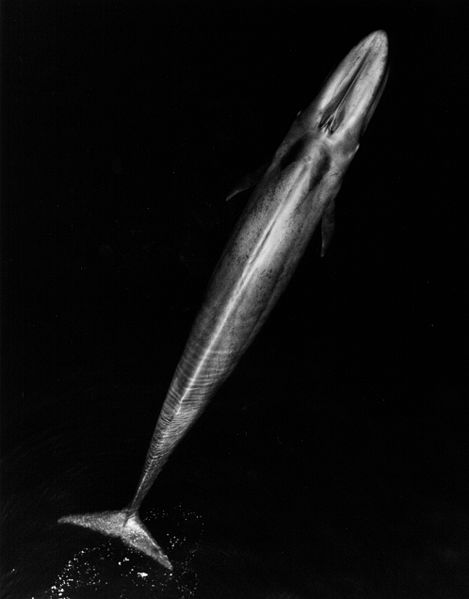
Fig.1. Blue whale from above
(
Credit: NOAA Fisheries, 2007)

What happens when a blue whale washes up on shore? This week in the news, scientists and students had the chance of a lifetime to study rare animals from around the world, from blue whales in Oregon to mysterious arachnids near the Dead Sea.

Wednesday, November 18, 2015

The Mystery of European Ancestry

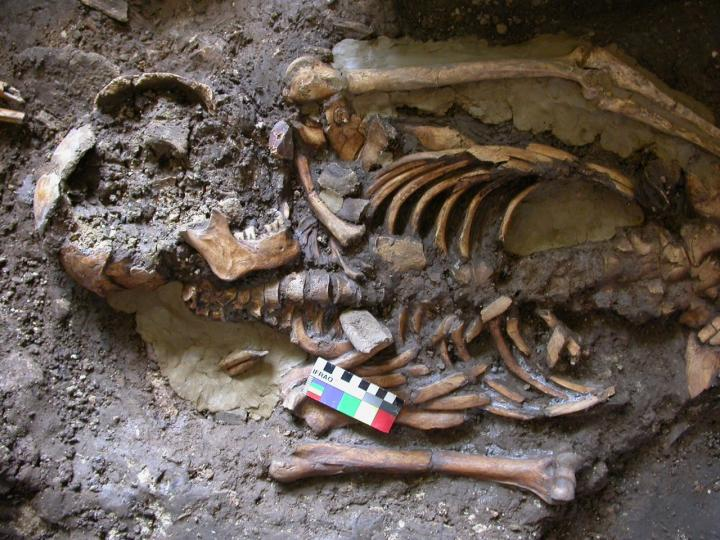
Fig.1.  DNA was extracted from molar teeth of this skeleton dating almost
10,000 years ago, found in Western Georgia (
Credit: Eppie Jones)

Between 4,800 and 5,000 years ago, nomadic herders swept through Europe from the vast steppe in modern-day Russia and Ukraine. These herders, part of the Yamnaya culture, made up one of three ancestral populations that formed the genetic structure of contemporary European populations. Yet findings published on Monday in the journal Nature Communications provide new details to this history and suggest that a previously unknown “fourth strand” of ancient European ancestry existed.