
 |
| (Credit: Science Magazine) |
Monday, August 31, 2015

Friday, August 28, 2015
In the News: Collecting for Disasters
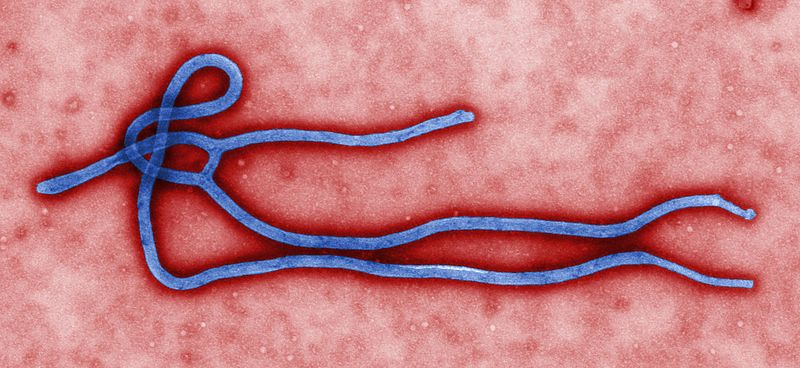
Fig.1. A planned biobank for samples from Ebola patients could bolster African science and aid in global health efforts (Credit: CDC/Cynthia Goldsmith, via PHIL)
How far would you go to collect? When it comes to studying a nuclear disaster, a deadly disease, or even unreachable plants, these scientists come up with clever ways to take samples. Such collections help in global health and environmental efforts that work to protect our world:
How far would you go to collect? When it comes to studying a nuclear disaster, a deadly disease, or even unreachable plants, these scientists come up with clever ways to take samples. Such collections help in global health and environmental efforts that work to protect our world:
Tuesday, August 25, 2015
Ancient Giants in Warmer Times
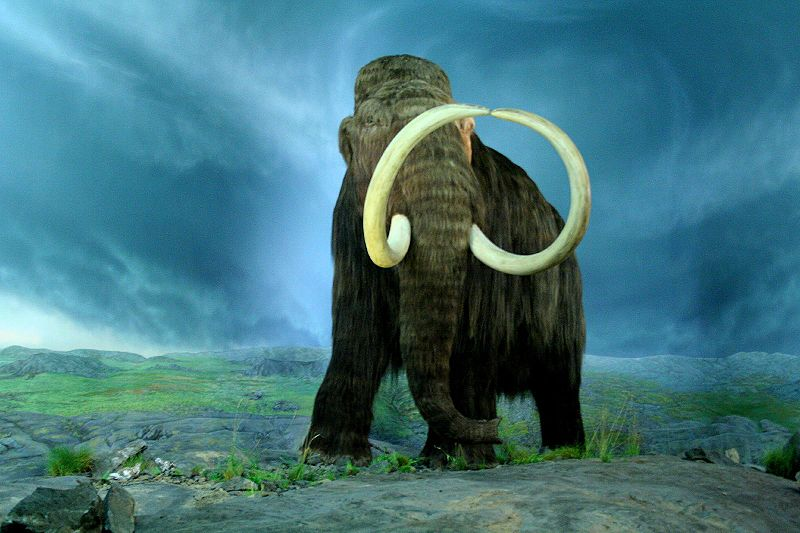
Fig.1. Woolly Mammoth at the Royal BC Museum, Victoria, British Columbia (Credit: Tracy O via Flickr)
Between 40,000 to 10,000 years ago, the world experienced a mass extinction of megafauna, a diverse group of animals that included such members as the mastodon and the woolly rhino. Although humans are often blamed for the disappearance of these creatures - either through overkill or habitat modification - the underlying causes are more complicated than previously thought
Between 40,000 to 10,000 years ago, the world experienced a mass extinction of megafauna, a diverse group of animals that included such members as the mastodon and the woolly rhino. Although humans are often blamed for the disappearance of these creatures - either through overkill or habitat modification - the underlying causes are more complicated than previously thought
Monday, August 24, 2015

Friday, August 21, 2015
In the News: From Galilee to Starbucks

Fig.1. This cup of coffee is in danger, thanks to a pest devastating coffee crops (Credit: Fil.Al via Flickr)
From coffee to rice, humans are dependent on their agricultural systems in many different ways. Recent research has drawn attention back to ancient times, addressed bacterial blight in rice, found disease resistant peanuts and more!
Tuesday, August 18, 2015
Change in the Delta

After years of working at the Northwest Fishery Science Center as a project manager, focusing her work on salmon, Carmella Vizza felt she needed a change.
“I decided it was time for me to go back to grad school to be more involved in conducting my own research,” Vizza said.
Monday, August 17, 2015


Subscribe to:
Posts
(
Atom
)