Friday, January 8, 2016

In the News: PNAS Editorial Released

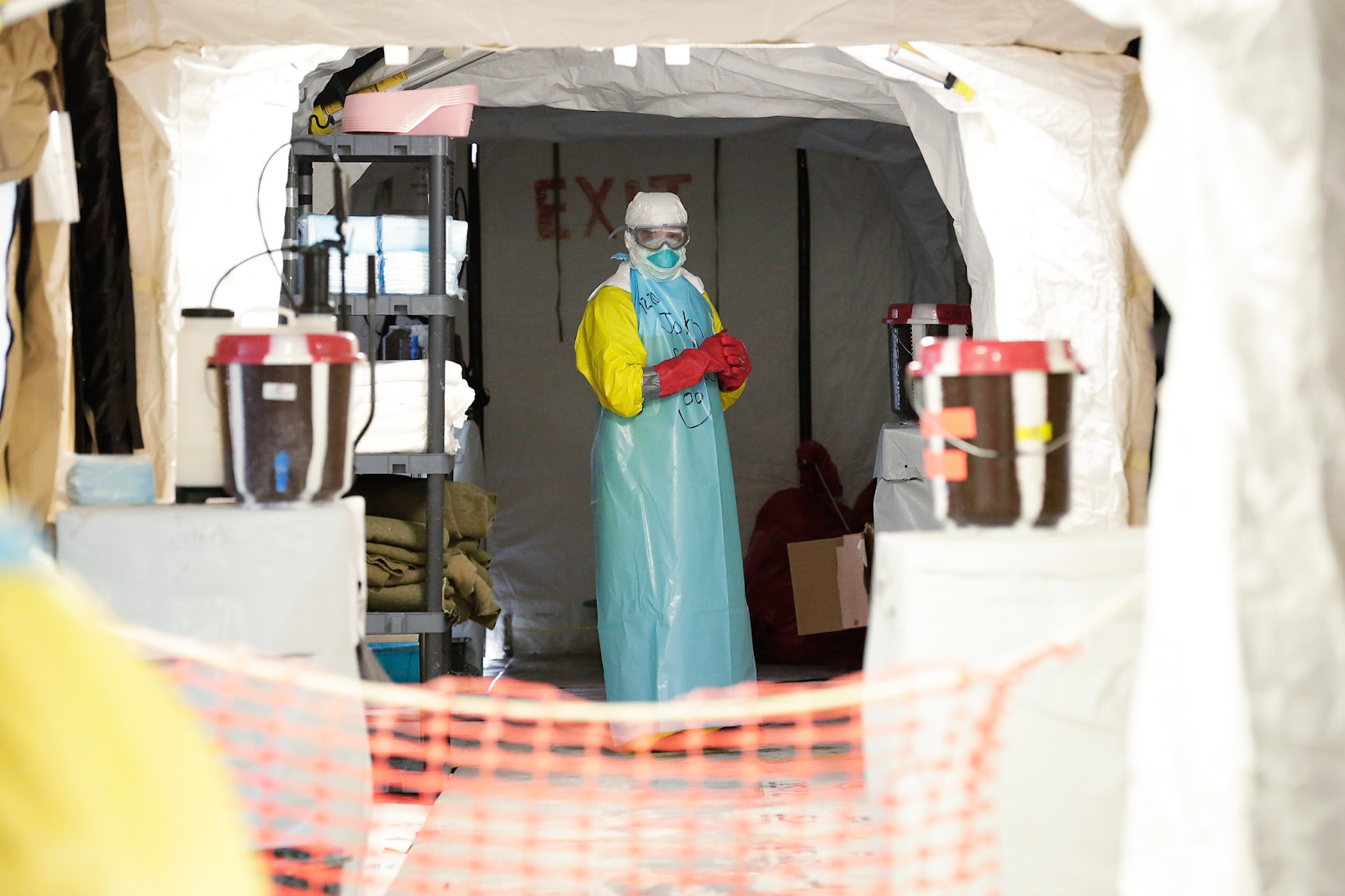
Fig.1. Ebola response worker in full personal protective equipment
 (
Credit: UNMEER via Flickr, 2014) 

An editorial based on SciColl’s 2014 workshop on emerging infectious diseases has just been released in the Proceedings of the National Academy of Sciences. From the first case to a worldwide eradication effort, scientific collections are necessary for disease research and response. This week, public health officials join in the fight against mysterious diseases and call for increased communication and collaboration.

Tuesday, January 5, 2016

Our 2015 Annual Report!

During the second year of SciColl activities, we engaged the community in new and exciting ways. We launched the Global Registry of Scientific Collections and participated on five social media platforms, which helped spread the word about our Emerging Infectious Diseases Workshop report and other collections research. See our 2015 Annual Report for the full highlights!

Curious about what we are doing in 2016? Sign up for blog updates, follow us on Twitter, or contact us directly to get involved.


Tuesday, December 29, 2015

A Year in the Life of Scientific Collections

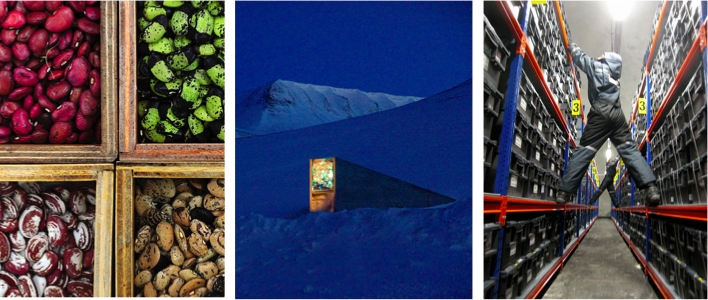
Fig.1. Scenes from the Svalbard Global Seed Vault (Credit left to right: Neil Palmer/CIAT, 2011; Mari Tefre/Global Crop Diversity Trust, 2008; Dag Terje Filip Endresen/Svalbard Global Seed Vault, 2008)

Earlier this year, the International Center for Agricultural Research in the Dry Areas (ICARDA) made a request to withdraw seeds from the Svalbard Global Seed Vault, which holds more than 850,000 samples from every country in the world. This request is the first of its kind for the “Doomsday Vault” that holds duplicate seed samples for national and international gene banks. The Syrian civil war forced ICARDA to move its headquarters from Aleppo, Syria, to Beirut, Lebanon, in 2012, and researchers managed to save 80 percent of the seed samples by sending them into storage at Svalbard.

Although such a withdrawal will allow ICARDA to regenerate these precious samples, it reveals the vulnerability of collections to war or even natural disasters. The year of 2015 marked a specific effort by individuals and organizations around the world to protect and sustain scientific collections, from those housed in natural history museums to frozen specimens in gene banks. We identified major trends that have affected both how collections are viewed in science and policy, as well as how they can be protected for generations to come. Read to learn more about what happened in the collections world this year, and what you should watch out for in 2016.

Tuesday, December 22, 2015

A Year in the Life of "Collections in the News"

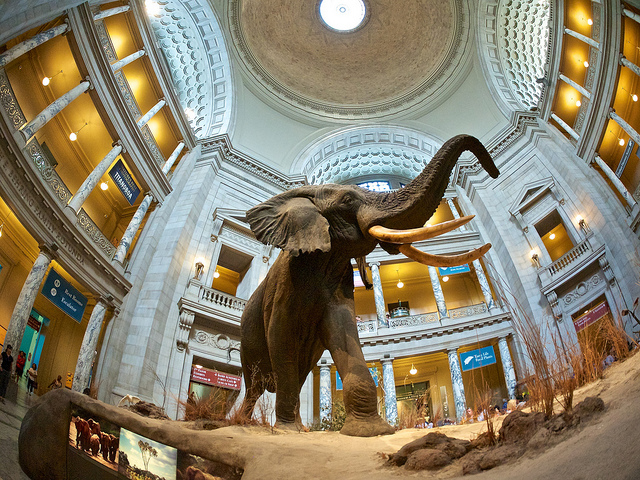
Fig.1. SciColl secretariat is housed at the National Museum of Natural History in D.C.
(Credit: 
Don DeBold, 2012) 

With 158 articles published and more than a year underway, Collections in the News has sought to raise awareness about ongoing research done with scientific collections. This year brought visitors from 95 countries to our blog who read about a disease detective at the National Museum of Natural History, stopped for their Monday morning coffee break each week, and had the chance to learn how microbes and mammoth bones teach us more about our world.

Some blog highlights for 2015 include article series on international efforts that work to protect the planet’s soils and address climate change problems. We also participated in GIF week with Deep Sea News and celebrated Thanksgiving with maize scientists. Read more below about these article series!