Wednesday, October 28, 2015

Striking Gold (Teeth) with Ancient Plague DNA

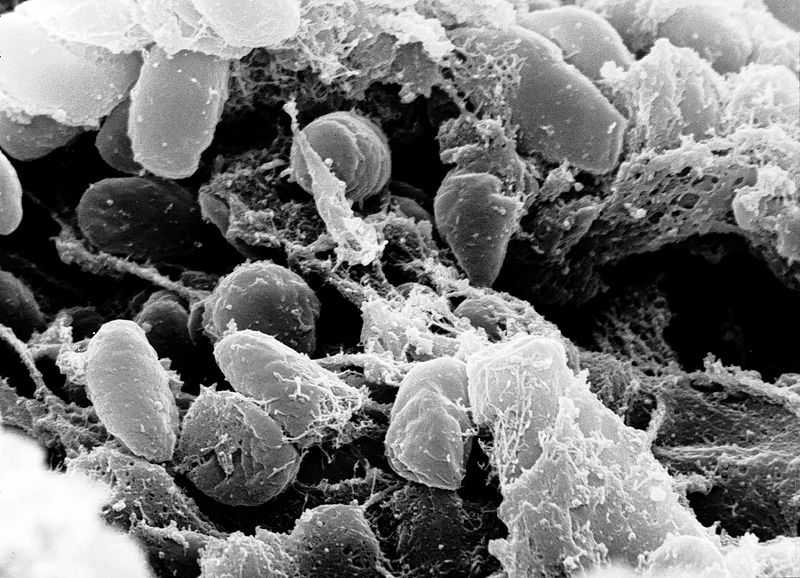
Fig.1. Scanning electron micrograph of Yersinia pestis bacteria mass in foregut of a flea
(Credit: Rocky Mountain Laboratories, NIAID, 2010)

Since the beginning of the year, fifteen people in the United States have been infected with the bubonic plague, and four of those individuals have died. This disease, often only mentioned in context of the Black Death (1346-1353 AD) or the Justinian Plague (541-542 AD), still exists today in pockets around the world. The causative pathogen Yersinia pestis hides in natural reservoirs, such as black-tailed prairie dogs in the southwestern United States or marmots in the Eurasian Steppe, only to flare up in human populations when rodents and the fleas they carry get too close.

Despite the deadly history of the disease - the Black Death killed an estimated 60 percent of the European population - Y. pestis evolved from a much less virulent ancestor that caused symptoms closer to the common cold. Previous research pinpointed the first appearance of this bacterium in skeletal remains at 1,500 years ago, but a study released last week in the journal Cell pushes that date back to more than 5,000 years ago.

Monday, October 26, 2015

Scientific Collections in Disease Response


One year ago, some of the world's leading minds in emerging infectious disease research met at the Smithsonian's National Museum of Natural History to discuss the role of scientific collections in disease response. Scientific Collections International (SciColl) brought people together from different disciplines and across various collections to create connections and spread ideas. Read to learn more about how collections are placed in a larger dialogue about disease research and response:

Workshop Report

Press Release 

Monday Morning Coffee Break: Oct. 26

(Credit: 2JAYSJOJU FLICKR) 

Friday, October 23, 2015

In the News: Beautiful Biodiversity

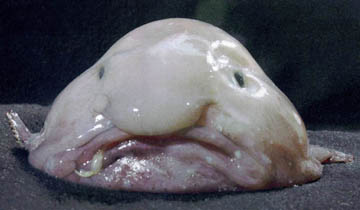
Fig.1. Psychrolutes marcidus, otherwise known as the blobfish
 (
Credit: Kinskarije via Flickr
)

The blobfish, seductive monkeys, and sea snakes are only some of the unusual museum specimens in the news this week. Read to learn about how to catalog and protect these amazing (if not quite beautiful) animals:

Wednesday, October 21, 2015

The woman with the (specimen) solution

Gunter
After nearly three decades with the Centers for Disease Control & Prevention, Elaine Gunter was looking for a change. Since 1978, her role in the central laboratory for the National Health and Nutrition Examination Survey included designing specimen collections for various field studies, managing personnel, and developing assays.

In 2001, she was promoted to a the deputy director position of the Division of Laboratory Sciences at CDC. While working in the management and operations realm, she found she was dealing with the “suits” of Washington, D.C., who were trying to run science agencies as a business.

That’s when she took the leap.

Friday, October 16, 2015

In the News: A Celebration of Bones

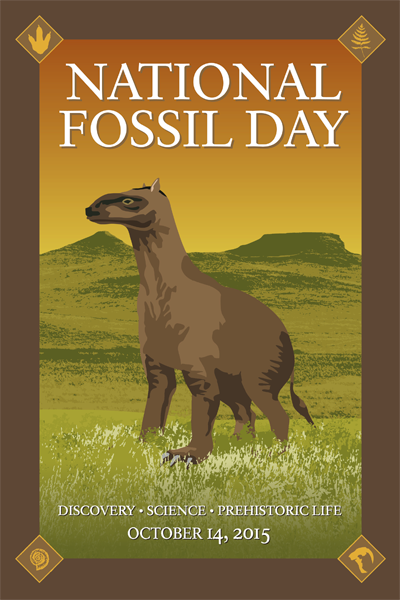
Fig.1 A chalicothere in a Miocene grassland
(
Credit: National Fossil Day™ 2015)

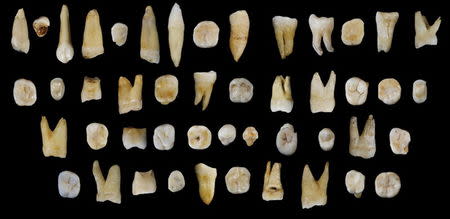
In honor of National Fossil Day this week, learn about exciting finds in paleontology and paleoanthropology. From human migration to climate change, these bones open a new window into ancient history: