Tuesday, March 31, 2015

While You Were Away...


Fig.1. This transmission electron micrograph shows the Sin Nombre Hantavirus, the subject of the fourth workshop case study on predicting emerging infectious diseases (Credit: CDC/ Cynthia Goldsmith, Luanne Elliot)

Last week we released our report on SciColl's two-day workshop in October 2014, which addressed the use and impact of object-based scientific collections in emerging infectious disease research and response. Click on the links below to read the report and the press release:

Workshop Report

Press Release

Monday, March 30, 2015

Monday Morning Coffee Break

Editor's Note: This is our first installment in a new series of posts that we're calling "Monday morning coffee break." There's an old saying that a picture is worth a thousand words, but sometimes you need the rest of the story. We'll include some hints in our photo captions, but if you're interested in learning more about what this photo means in the greater context of science, our research initiatives and/or scientific collections, click on the hashtags under the photo.

Friday, March 27, 2015

In the News: Secrets in the Soil


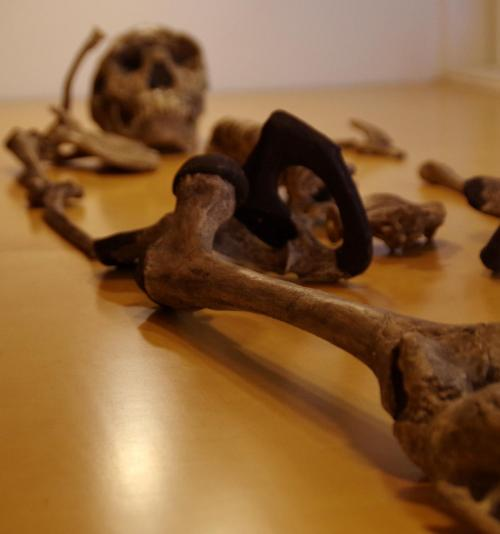
Fig.1. This cast of the 'Nariokotome Boy' (Homo ergaster) might inform us on why early human relatives migrated to Eurasia (Credit: Jay Stock)

This week’s #FollowFriday brings us underground and into the world of soil samples and fossil studies. Read to learn about the future of antibiotics, a mysterious group of mammals, motivations behind human migration, and more:

Tuesday, March 24, 2015

Report explores use of scientific collections in combating emerging infectious diseases


Editor's Note

The October 2014 workshop report can be seen here. For more information about SciColl, visit www.scicoll.org.


WASHINGTON -- Scientific Collections International, or SciColl, a global consortium devoted to promoting the use and impact of object-based scientific collections across disciplines, hosted a two-day workshop in October 2014, bringing together some of the world’s leading minds in emerging infectious diseases.

Friday, March 20, 2015

In the News: Living and Hidden Collections


Fig.1. A “micropropagation” system at the Archangel Ancient Tree Archive creates a foundation for sustaining redwood (Sequoia sempervirens) forests such as this one (Credit: Allie Caulfield, 2012)

Scientific collections often show up in surprising forms and reveal unusual secrets. Read about a living collection, a hidden collection, a jewelry collection, and more in this week’s #FollowFriday:

Thursday, March 19, 2015

Q&A with the Scientists: Luca Bartolozzi


Fig.1.: Luca Bartolozzi working in the field. (Submitted by Luca Bartolozzi).

Editor’s Note: The first in our series of Q&As with researchers and curators globally is with Luca Bartolozzi, curator of the entomology department at the University of Florence’s Natural History Museum.

Friday, March 13, 2015

In the News: History of Humans


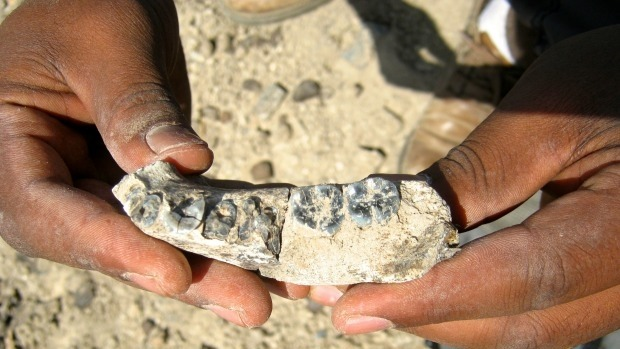
Fig.1 Newly discovered jawbone of modern human relative in Ethiopia dates to 2.8 million years ago (Credit: William Kimbel)

Ancient bones and human relatives are highlighted in week's #FollowFriday post. Read about the known origins of human kind, preserving mummies during climate change, a 7-foot long arthropod, and more!