Wednesday, September 7, 2016

Climate change and phenology

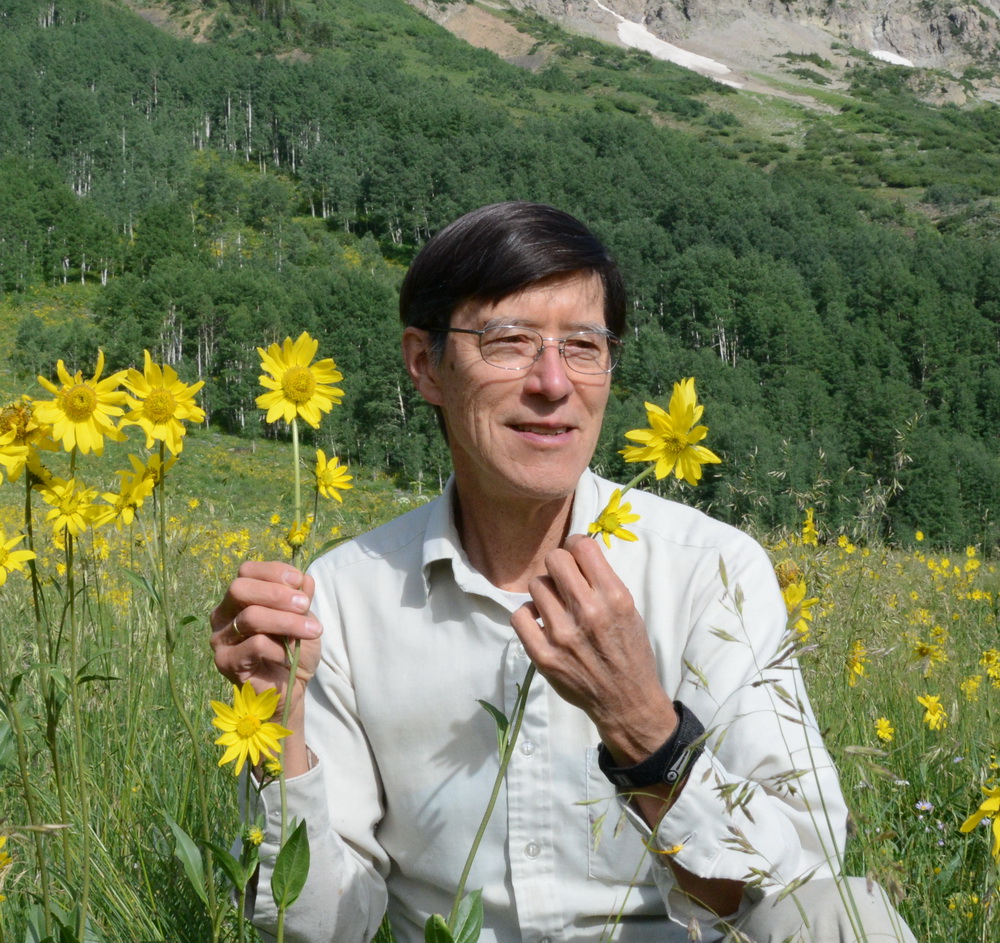
Fig.1. David Inouye studies phenology and climate change’s effect on pollinators, such as bees, hummingbirds and flies. (Credit: David Inouye)

When David Inouye looks out the window of his Colorado home, he’s looking at the mountains. He’s traded in the D.C. suburbs for this view, which also happens to be his office.

The professor emeritus of the University of Maryland has worked at the Rocky Mountain Biological Laboratory throughout his career, focusing on phenology and climate change’s effect on pollinators. Inouye specifically studies hummingbirds, bumblebees and flies. He has collaborated on other projects studying butterflies and solitary bees. As a graduate student in the 1970s, Inouye began to study how the timing and abundance of flowering of plants changes from day to day, year to year. With 30 plots to study during growing season and gathering data from 120 different species, the study has been ongoing.

Friday, September 2, 2016

In the News: Citizen science at the forefront

Fig.1. Citizen volunteers learn about Mississippi River fish species. (Credit: Wisconsin Department of Natural Resources)

Investigating and understanding the world around us has always sparked the curiosity of scientists and non-scientists alike. Luckily, these days you don’t need to have a degree in science to contribute to research in nearly every discipline. Many programs have been developed to capture the wonder and data at the fingertips of citizens - and there’s no sign of this trend slowing down.

Thursday, August 25, 2016

NPS celebrates a century

Fig.1. Historic photos from through the years. (Credit: National Parks Service)

Today, the National Parks Service celebrates 100 years. Beyond free admission to all 400-plus parks across the country from today until Aug. 28, there are a bevy of other facts you might not have known about the scientific endeavors of NPS, its parks and their admirers.

Wednesday, August 17, 2016

The engineering behind repositories

Fig.1. Specimens in a freezer. (Credit: Sarah Pack)

“Those (refrigerators) heat up, (samples) die. You can lose your sample if things don’t work properly,” said Phil Baird, former vice president of operations at the American Type Culture Collection (ATCC).

At Harvard’s McLean Hospital in 2012, that’s exactly what happened. When freezers shut down at the hospital without triggering alarms, 150 brain samples, banked to study autism, decayed.

“... Up in Boston a few years ago, they had thousands of autism brain samples, and they weren’t properly set up and monitored. And the power went out and they lost them,” Baird said. “Having a repositories isn’t just plugging in a bunch of freezers.”