Wednesday, October 14, 2015

Ancient DNA and a History of Human Migration

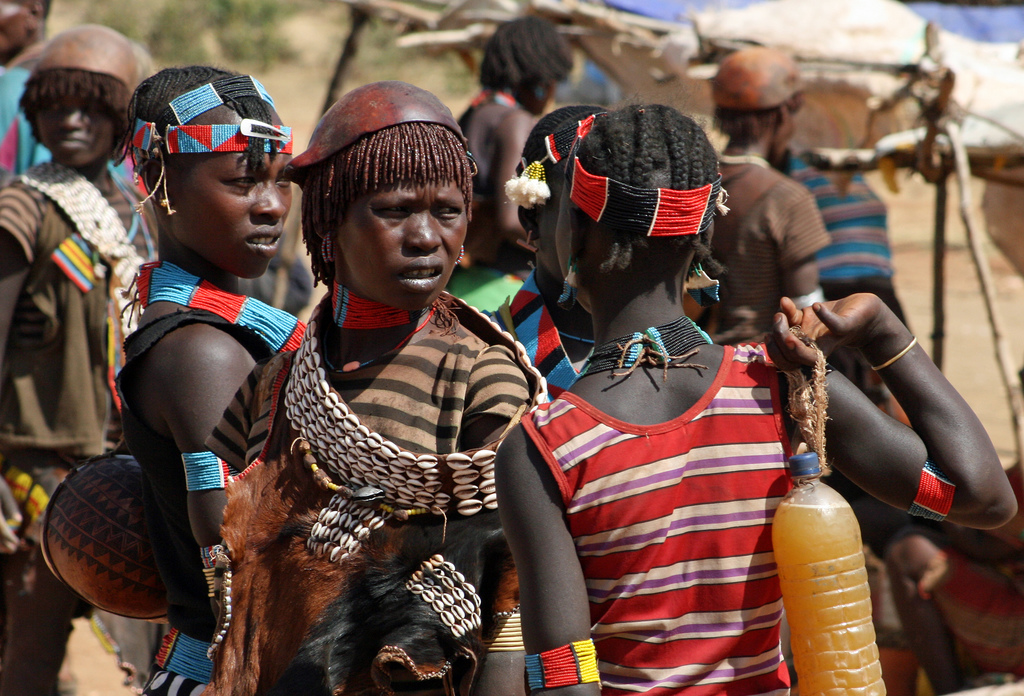
Fig.1. Members of the Ari tribe in modern southwest Ethiopia are probably direct
 descendants of the Mota man (Credit: Carsten ten Brink via Flickr)

Around 60,000 to 100,000 years ago, modern humans migrated out of Africa and proceeded to populate every corner of the world. Although ancient DNA analyses have added complexity to the routes of human migration, from Neolithic farmers to early hunter-gatherers in Europe, the birthplace of humanity has remained elusive. Among other challenges, regional hot temperatures that quickly degrade genetic material barred ancient African remains from such studies. However, in research published last week in the journal Science, a skeleton found in a remote cave in Ethiopia produced Africa’s first ancient human genome.

Friday, October 9, 2015

In the News: Heart Valves and Human Migration

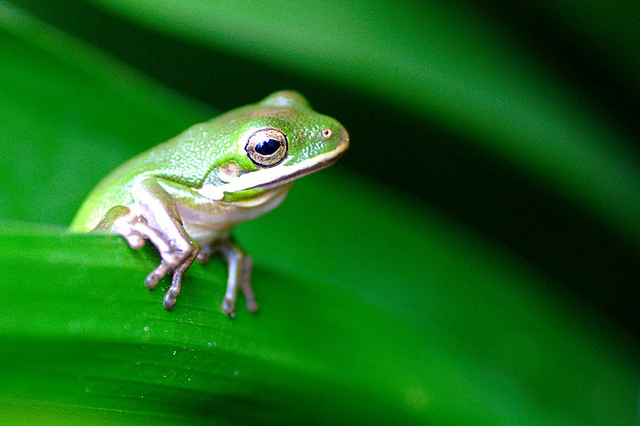
Fig.1. Frogs around the world are going extinct (Credit: Theodore Scott via Flickr)

Frog collections, iconic trees, and heart valves take center stage in the news this week. These unique collections help to elucidate the origins of human culture, preserve genetic material, protect biodiversity, and much more:

Thursday, October 8, 2015

A Brief History of Malaria

Fig.1. Tu Youyou (right) and tutor Lou Zhicen in 1950s (Credit: Xinhua News Agency) 

In 1967, Mao Zedong held a meeting in Beijing to discuss the major problem of drug-resistant malaria affecting soldiers on the front lines of the Vietnam War. Efforts in the United States resulted in the discovery of the drug mefloquine, but the North Vietnamese turned to China for aid. A program was formed that involved more than 500 scientists from around China to develop effective antimalarial medication. Among those scientists was Tu Youyou, a pharmacologist who is now a 2015 Nobel Prize recipient in Physiology or Medicine for her work in drug development.

Friday, October 2, 2015

In the News: Museum Closure

Fig.1. The Illinois State Museum is closed to the public
 (Credit: Mike Linksvayer via Flickr)

The closure of a top natural history museum, a withdrawal from the ‘doomsday’ vault, and the arrival of a huge dinosaur skeleton herald major changes underway for these top research institutions and museums around the world:

Thursday, October 1, 2015

Old Blood and New Science


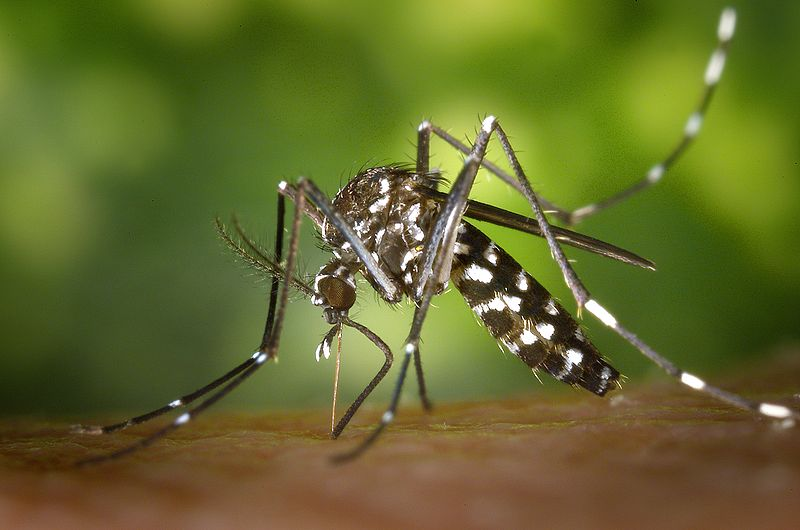
Fig.1. This Asian tiger mosquito (Aedes albopicts) can carry dangerous emerging diseases (Credit: James Gathany, CDC)

Little over a year ago, the first locally acquired case of the mosquito-borne disease chikungunya appeared in the continental United States. This virus had only been recognized seven months prior in the Western Hemisphere, but quickly joined diseases such as Ebola and hantavirus on the ever-growing list of emerging infectious diseases.